How Often Should You Replace Running Shoes? Look Beyond the Mileage Number
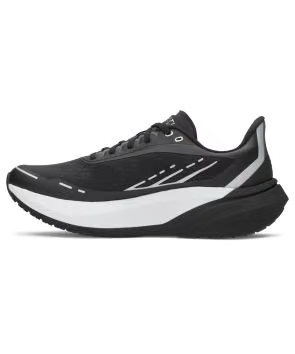
Ask runners when a pair of running shoes needs replacing and you will often hear a mileage figure. It sounds reassuringly precise: log a certain number of kilometres, retire the shoes, start again.
The American College of Sports Medicine (ACSM), for example, gives roughly 350 miles (about 560 km) as a general replacement guideline, but it also points out that research has not established one ideal lifespan for every running shoe. Materials, how the shoe is used and the runner wearing it all affect how quickly performance changes.
Running footwear also varies considerably in construction. A daily trainer built around high cushioning does not necessarily age in exactly the same way as a lighter shoe designed for faster sessions. Under Armour’s running range reflects this distinction, with different models using different cushioning, upper and outsole constructions for different types of runs. That is another reason mileage works better as a checkpoint than a universal retirement rule.
Key Takeaways
- Mileage is a useful checkpoint, but there is no universal distance at which every pair of running shoes needs replacement.
- Check the outsole, midsole compression, stability, and changes in underfoot feel alongside your recorded mileage.
- Running surface, shoe materials, individual mechanics, and repeated loading can all affect how quickly a pair wears.
Why Running Shoes Change With Use
A running shoe is repeatedly compressed every time the foot meets the ground. Across weeks of training, that load affects the materials beneath the foot, particularly the midsole.
The midsole is responsible for much of a shoe’s cushioning behaviour. Research following recreational runners found a measurable reduction in heel cushioning as mileage increased.
Different midsole materials also age differently. Studies comparing running-shoe foams have found that cushioning and energy-return characteristics change with accumulated distance, and the rate of change varies according to the material used.
This matters when comparing shoes built for different running demands. Under Armour uses different cushioning constructions across its running range rather than one standard midsole formula. A higher-cushion daily trainer and a lighter, more responsive running shoe are designed to feel different from day one. As those materials accumulate repeated loading, the signs worth watching are therefore changes relative to the shoe’s original ride.
Check the Outsole
Turn the shoe over first.
The outsole is the part making direct contact with the road or treadmill. Some smoothing is expected, particularly in the areas where you naturally land and push off. What deserves attention is substantial wear that exposes material underneath the outsole or produces a noticeably uneven platform.
ACSM specifically advises replacing shoes when wear reveals the sole layers underneath.
Uneven Wear Needs Context
A worn outer heel does not automatically mean there is something wrong with your running form. Runners naturally have different foot strikes, and there is no single “correct” outsole wear pattern that applies to everyone. Surface, shoe construction and individual movement can all change where wear appears.
Instead, compare the left and right shoes and look at how the pattern has developed over time. A sudden or substantial change deserves more attention than ordinary wear in your usual contact areas.
Pay Attention to the Midsole
The midsole often tells you more about the remaining performance of the shoe than the colour or condition of its upper.
Look at the foam from the side. Deep creasing, obvious compression or one side sitting noticeably lower than the other can suggest that the structure has changed.
You can also compare an ageing pair with a newer pair of the same model, if available. Does the older shoe feel substantially flatter underfoot? Does it recover less readily after compression? Does one shoe lean or feel less stable?
The takeaway is not that a particular crease means the shoe is finished. Rather, visible midsole changes combined with mileage and a change in ride quality provide stronger evidence than mileage alone.
Cushioning Technology Changes What You Should Look For
Under Armour running shoes are built with different cushioning systems depending on the type of run they are designed for. Technologies such as UA HOVR™ and HOVR+ focus on responsive cushioning and energy return, while UA Flow uses a lightweight foam construction designed to combine cushioning and ground contact in a single platform.
Because these systems are engineered to feel different from the start, wear should be judged against the shoe’s original ride. If a previously responsive midsole begins to feel noticeably flatter, firmer, or less consistent from one side to the other, that change matters more than reaching an exact mileage figure.
Notice Changes During and After Your Runs
Your body can add another piece to the picture.
Suppose the same route, pace and training load have previously felt comfortable, but lately the shoes feel flatter or less stable. Perhaps impact feels harsher or your feet feel unusually fatigued late in a run. That is worth noting.
Persistent or unexplained pain should therefore not be treated simply by buying another pair of shoes. If symptoms continue, a sports-medicine professional, physiotherapist or other qualified healthcare professional can assess what is actually happening.
Your Running Surface Changes the Wear Pattern
Road running repeatedly exposes an outsole to hard, abrasive surfaces. Treadmill running creates a more regular environment, although treadmill belts can still produce friction and shoe wear. Surface consistency may also concentrate wear repeatedly in similar areas.
Trail use introduces a different problem. Rocks, uneven ground, mud and changes of direction place different stresses on the outsole and upper.
This is why runners who alternate between roads, treadmills and trails should inspect the actual condition of their shoes rather than assuming distance tells the whole story.
Body Weight and Running Mechanics
Every foot strike puts load through the shoe, and those loads accumulate over thousands of steps.
Research has estimated that running impact can reach multiples of body weight, although the exact forces vary with speed, gait, surface and the individual runner.
A runner who places greater repeated load on a particular part of the shoe may therefore see material changes sooner than somebody covering the same distance with different mechanics. Foot strike, cadence, route and how often the shoes are worn outside running can all contribute.
A 60-Second Running Shoe Check
- Turn the shoe over and compare outsole wear.
- Place both shoes on a flat surface and check whether one leans.
- Look at the midsole sidewall for obvious asymmetrical compression.
- Press the cushioning in corresponding areas on both shoes.
- Think back to your last three runs: has the ride become noticeably flatter, harsher or less stable?
- Check the mileage recorded for that specific pair.
When Should You Replace Your Running Shoes?
Use commonly quoted mileage ranges as inspection points. Research clearly shows that midsoles change with accumulated running, while ACSM acknowledges that the ideal replacement interval varies between shoes and users.
If the outsole has worn through, the midsole has become noticeably compressed or uneven, the shoe no longer feels stable, or several signs of deterioration appear together, retirement makes more sense than chasing an arbitrary mileage target.
And once you replace a familiar pair, avoid assuming the new one will feel identical immediately. ACSM recommends allowing a transition period when changing shoes, particularly when the design differs significantly from what you have been running in.
Your running log tells you how far the shoes have travelled. The outsole, midsole and the way they behave on your run tell you far more about whether they are ready to travel farther.
FAQs
- How many kilometres do running shoes usually last?
There is no single replacement distance that applies to every shoe or runner. ACSM cites roughly 350 miles (about 560 km) as a general guideline, but recommends considering actual shoe wear rather than relying on mileage alone.
- How can I tell if my running shoes are worn out?
Look for substantial outsole wear, exposed underlying sole material, noticeable midsole compression, an uneven platform, or a clear change in cushioning or stability. Several signs appearing together are more useful than mileage alone.
- Can running shoes wear out even if the outsole still looks good?
Yes. The outsole may remain visibly intact while the midsole has already changed through repeated compression. Research has shown measurable cushioning changes with accumulated running distance, which is why checking how the shoe feels and performs is important alongside visual inspection.
Mircari Quotes And Sayings
 How to connect with God SPIRITUALLY
 How Long Does Pre Workout Last? All You Need to Know!
 Why Is A THC Vape Pen With Temperature Control Feature The Best Option?
 What Is Crank? Learn More About This Dangerous Drug.
 The Benefits of a Virginia Medical Marijuana Card and How to Apply
 The Essential Skincare Routine For New Moms- A Complete Guide
 Should You do Dermaplaning Before or After Facial?
 The Human Side of Healthcare