Best Lip Balm for Women: Ingredients That Actually Work
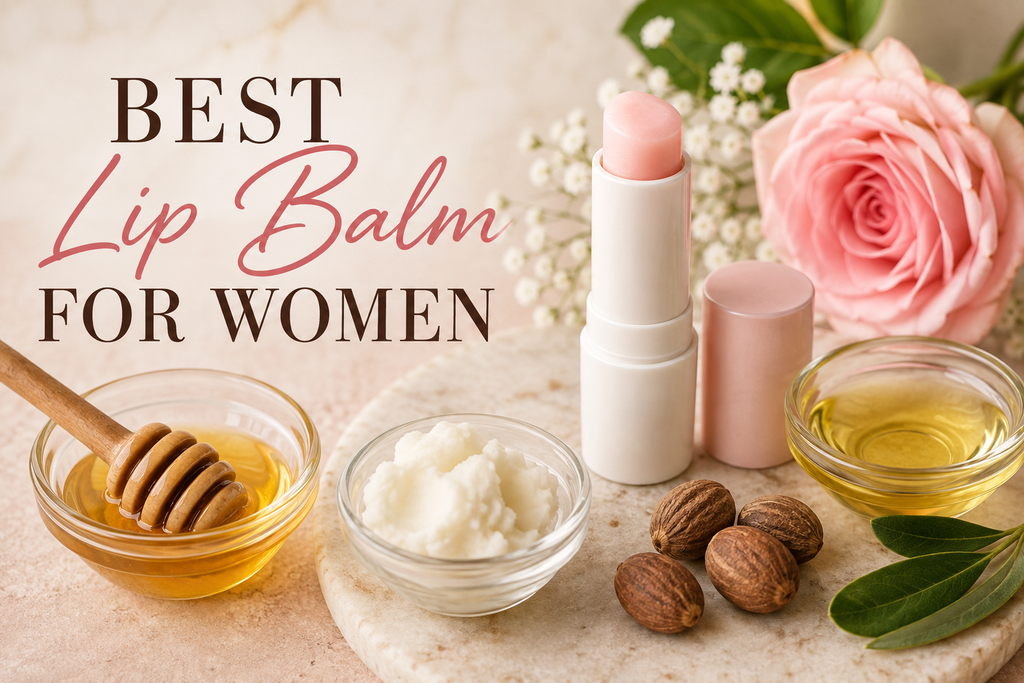
A lip balm may be just a simple product, but its ingredient list tells you more than its finish. The ingredients you choose can decide whether your lips just feel coated or actually feel healed over time. Dryness, chapping, pigmentation and sun exposure require different types of care. A good balm can hydrate, soften, protect and support the lip barrier. Here’s a guide to useful ingredients, ingredients to avoid, and easy ways to get more from daily lip care.
Why Ingredient Choice Matters in a Lip Balm
The skin of the lips is thinner and has no protective oil glands compared to most facial skin, meaning they lose moisture easily. Weather, sun exposure, frequent lip licking and dehydration can make dryness worse. So it is important to check the ingredient list before you get a lip balm.
Just considering the glossy finish or sweet flavour may not tell you how well a formula will care for your lips. Look for ingredients with a specific function: humectants draw in moisture, emollients smooth the skin, occlusives prevent moisture loss, and barrier-supporting ingredients help keep lips comfortable. The right lip balm just needs useful ingredients that match what your lips need.
Ingredients That Hydrate Lips: Humectants & Emollients
Hydration works best when a formula both adds moisture and helps keep it from escaping. These groups do different jobs, so combining them can make a balm more useful.
| Ingredient | Benefit |
| Glycerin | Attracts water to help keep lips hydrated. |
| Hyaluronic Acid | Helps hold water at the skin surface. |
| Shea Butter | Softens dry lips and helps provide nourishment |
| Cocoa Butter | Conditions rough lips and improves softness. |
| Beeswax | Forms a protective layer that slows moisture loss. |
| Petroleum | Seals in moisture and is useful for very dry, cracked lips. |
Dermatologists also recommend ingredients such as petrolatum, shea butter, mineral oil, and similar moisturising agents for dry, chapped lips. For an effective lip balm for women, look for a formula that combines humectants with emollients or occlusives to hydrate and protect the lips.
Repairing & Nourishing Ingredients for Long-Term Lip Health
Hydration is only one piece of the puzzle of comfortable lips. If the barrier is often exposed to dry weather, licking, or irritating products, lips can become rough and flaky again. Ingredients include:
- Ceramides: They help maintain the skin barrier and prevent moisture loss.
- Squalane: Softens the lips and conditions dry skin without feeling heavy.
- Peptides: May help support skin conditioning and keep lips feeling smooth.
- Vitamin E: Acts as an antioxidant and moisturises dry lips.
- Dimethicone: Forms a protective barrier to help decrease water loss and friction.
Ceramides and occlusive ingredients have particularly useful support for dry, chapped lips. A straightforward formula with moisturising and protective ingredients can work well for daily care.
Brightening & Sun-Protective Ingredients for Pigmentation
Lips need sun protection too. It is important to apply a broad-spectrum lip balm with SPF 30 or higher every day, since repeated UV exposure can cause dryness and uneven pigmentation. Most dermatologists recommend reapplying it every 2-3 hours while outdoors.
For uneven and pigmented lips, most dermatologists recommend the following ingredients:
- Kojic Acid: Works to improve the appearance of excess pigmentation by influencing melanin production.
- Niacinamide: Supports the skin barrier and may help improve the appearance of uneven skin tone.
- Liquorice Root Extract: Contains compounds that have been studied for providing brightening and soothing benefits.
- SPF filters: Protects lips from UV exposure, which can lead to sun-induced pigmentation.
If you want to take care of both hydration and pigmentation, then a cherry lip balm is a handy option. Chemist At Play Cherry Lip Balm for Chapped & Pigmented Lips is an option that combines kojic acid with SPF 50 PA++++, along with moisturising ingredients, for people who want hydration and daily sun protection in one routine.
Ingredients to Avoid in a Lip Balm
If your lips are already dry, cracked, or sensitive, simpler is often better. Some ingredients create a cooling or tingling sensation that can feel refreshing, but that sensation may mean the lips are being irritated.
If you have chapped lips, many dermatologists will advise you to stay away from these:
- Menthol: Can feel cooling, but may irritate dry lips.
- Camphor: May irritate cracked or sensitive lips.
- Cinnamon: Cinnamon flavouring may cause irritation or contact reactions.
- Added fragrance/flavour: May cause irritation or allergic contact cheilitis in some people.
- Alcohol: Depending on the formula, some can be drying or irritating.
Don’t use a balm that burns, stings or makes your lips worse, and stop using it rather than assuming the sensation means it is working. Generally, fragrance-free, non-irritating formulas are best for chapped lips.
Tips to Use a Lip Balm for Best Results
The best way to use a lip balm is by making it a part of your regular routine. Here are some simple tips to help you use it effectively:
- Use after cleansing your face and any time your lips feel dry.
- Wear SPF lip balm when you go out and reapply every 2 hours you are outside.
- Apply a thicker layer of a plain, nourishing balm before bed.
- Reapply after eating, drinking, swimming, or wiping your lips.
- Avoid picking, biting or licking at chapped, dry lip skin.
- If you wear lipstick, apply balm first, and let it settle before you apply lipstick.
Consistency matters more than applying a thick layer just occasionally. Regular use helps maintain hydration and helps protective ingredients work effectively.
Conclusion
The best lip balm isn’t always the one with the longest ingredient list. If your lips are often dry or pigmented, look for something practical that offers hydration, barrier support and sun protection. Like a cherry lip balm with SPF and ingredients for pigmentation can easily be added into daily care, while a simple fragrance-free balm can be appropriate when chapped or sensitive. When used consistently, the right formula keeps lips feeling comfortable and looking healthy.
Mircari Quotes And Sayings
 How to connect with God SPIRITUALLY
 How Long Does Pre Workout Last? All You Need to Know!
 Why Is A THC Vape Pen With Temperature Control Feature The Best Option?
 What Is Crank? Learn More About This Dangerous Drug.
 The Benefits of a Virginia Medical Marijuana Card and How to Apply
 The Essential Skincare Routine For New Moms- A Complete Guide
 Should You do Dermaplaning Before or After Facial?
 Dangerous Diets and Their Impact on Hormone Balance