Practical Care Tips for People Dealing With Pilonidal Cyst Flare-Ups
You sit down in the car after a normal workday and suddenly remember, very clearly, that your tailbone area has opinions.
Maybe it started as a dull pressure in the morning. By evening, it feels sore, irritated, and impossible to ignore.
Pilonidal cyst flare-ups have a way of making ordinary things feel dramatic — sitting, walking, sleeping, even choosing jeans. Honestly, that part gets underestimated a lot.
Keep the Area Calm Before You Try to “Fix” Everything
A flare-up can make you want to do ten things at once. That usually does not help. The skin already feels angry, and too much poking, scrubbing, or checking can make the whole situation more miserable.
Use Warmth, Not Force
A warm compress can feel surprisingly useful during a flare-up. Not boiling hot. Not something that leaves your skin red. Just steady warmth for a short stretch while you’re lying on your side or leaning forward.
Some people remember being told around 2018 that heat was “old-fashioned advice,” but weirdly enough, simple comfort care still matters. Your body does not care whether a tip sounds modern.
Stop Inspecting It Every Hour
This sounds small, but it matters. If you keep checking the area with a mirror or your phone camera, you may irritate the skin more. You also end up stressing yourself out.
Check only when you need to clean, change clothing, or notice a real change.
Choose Loose Clothing for a Few Days
Tight jeans during a flare-up are basically a bad joke. Soft underwear, loose pants, and breathable fabric can reduce rubbing while you move around.
And yes, it may feel annoying to dress around a sore spot. Still, comfort wins here.
Cleanliness Helps, But Overdoing It Backfires
People sometimes treat pilonidal care like a cleaning project. More soap. More scrubbing. More products. But skin in that area does not always reward enthusiasm.
Gentle care usually works better than aggressive routines.
Wash Gently and Pat Dry
Use mild soap and water when showering. After that, pat the area dry instead of rubbing it. A clean towel matters too, especially if the area feels tender or damp.
You do not need a complicated ritual. You need consistency.
Be Careful With Hair and Sweat
Hair, sweat, and friction can all make the area more uncomfortable. After exercise or a long shift, changing out of sweaty clothes can help. A small thing, but it adds up.
If hair removal is part of your routine, avoid doing it directly over irritated skin. To be fair, that is one of those lessons people usually learn the hard way.
Use Products Thoughtfully
A calm, simple routine is better than stacking five different creams because someone online swore by them. If you are reading about pilonidal cyst relief, treat it as one part of a broader care plan, not a magic switch.
Skin gets overwhelmed too.
Sitting, Sleeping, and Moving Need Small Adjustments
A flare-up can make your whole day feel planned around one sore spot. That sounds dramatic until you’re trying to sit through dinner or finish a work call without shifting every minute.
Small adjustments can make the day less irritating.
Take Pressure Off the Area
Try sitting slightly forward or leaning to one side for short periods. Some people use a soft cushion, though the best shape depends on what feels comfortable.
But don’t stay in one awkward position for hours. That can create a new ache somewhere else.
Sleep in a Position That Lets the Skin Breathe
Side sleeping often feels better during a flare-up. A pillow between your knees can help your hips feel less twisted.
If you usually sleep on your back, this may feel unnatural at first. At some point, though, comfort usually wins over habit.
Keep Movement Gentle
You do not need to become frozen in place. Light walking around the house can feel better than sitting for too long. Heavy workouts, cycling, or anything that rubs the area may need a pause.
A real-feeling example: walking to the kitchen is fine, but doing a long spin class while the area feels swollen is not exactly a brilliant idea.
Know When Home Care Is Not Enough
Most people try to handle flare-ups quietly because the location feels awkward. I get that. Nobody is excited to book an appointment for a painful spot near the tailbone.
Still, some signs deserve proper medical attention.
Watch for Worsening Pain or Drainage
If pain increases, swelling spreads, or drainage becomes heavy, you should get checked. Fever or feeling generally unwell also changes the situation.
Do not try to squeeze it. That is a common impulse, and it can make things worse.
Pay Attention to Repeating Flare-Ups
A single flare-up feels bad enough. Repeated ones can wear you down mentally because you start planning around the next one before it even happens.
If this keeps returning, a clinician can talk through options and help you understand what is actually going on.
Keep Supportive Care Simple
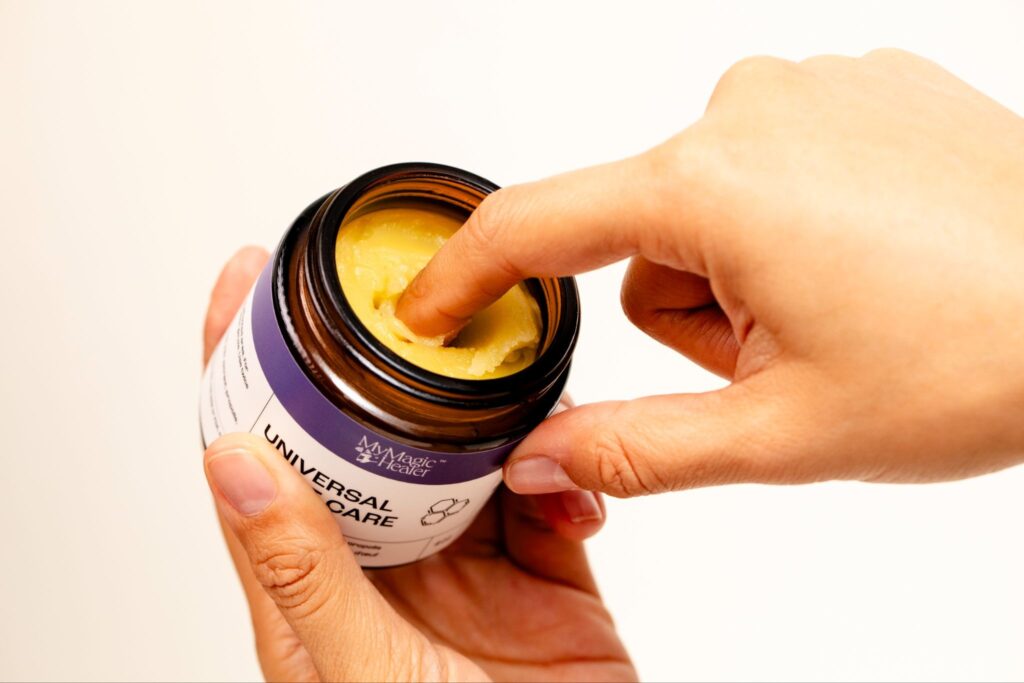
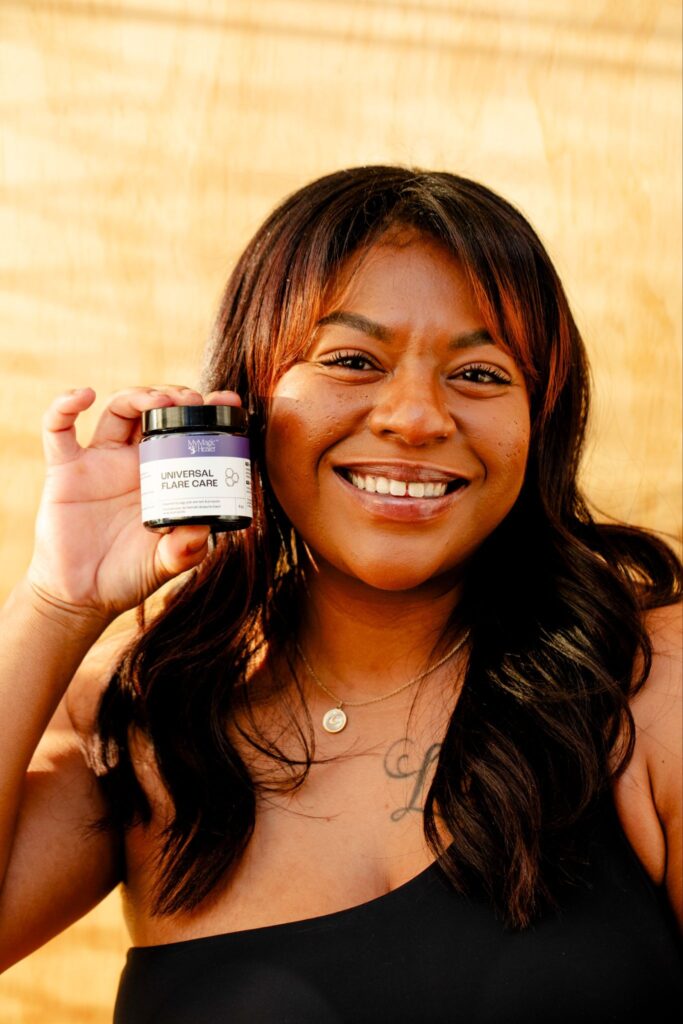
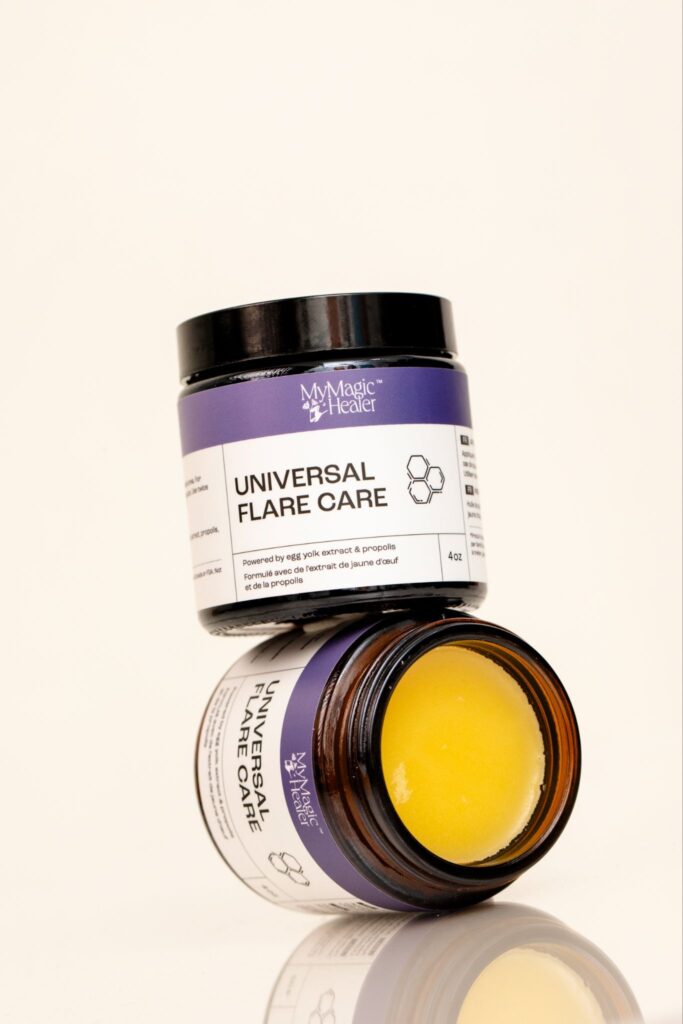
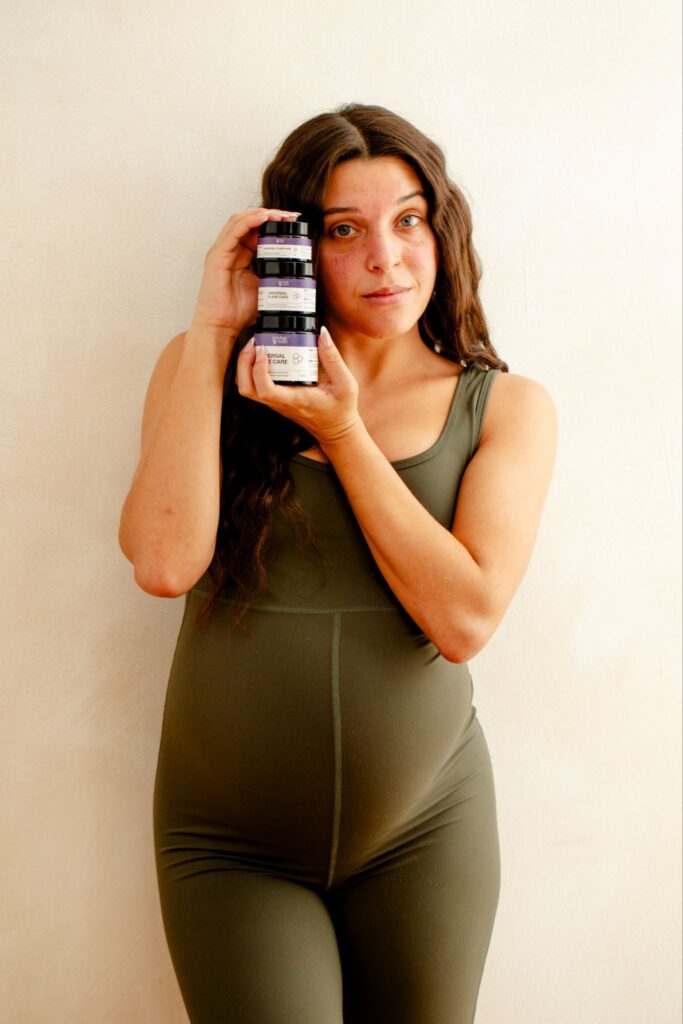
Some people like having a basic care item nearby for tender skin days, and mymagic salve may fit into that kind of low-key routine. Just do not use any product as a replacement for medical care when symptoms are getting worse.
Common sense still has a job.
Pilonidal flare-ups are frustrating because they interrupt normal life in such a specific, physical way. You start noticing chairs, seams, sweat, posture, and every little movement. The better approach is not to panic or over-treat. Keep things clean, reduce pressure, avoid irritating the area, and get help when your body is clearly asking for it. That steady, boring care often makes the rough days easier to manage.
Mircari Quotes And Sayings
 Blue Wall Paint Trends and Tips: Choosing the Perfect Wall Paint
 How A San Antonio Injury Lawyer Can Help You After An Accident
 Common Car Wreck Injuries
 How to Make Your Cornhole Games More Fun with Themed Bags
 Alexander Ostrovskiy: 10 Glute Exercises You’re Not Doing (But Should Be)
 Syna World Shorts Set – Summer Style Redefined
 8 Top SASE Vendors Offering Comprehensive Network Protection
 The Golden Rules of Evening Fashion: How to Stand Out Without Overdoing It