5 Common Sanding Problems An Interface Pad Can Solve
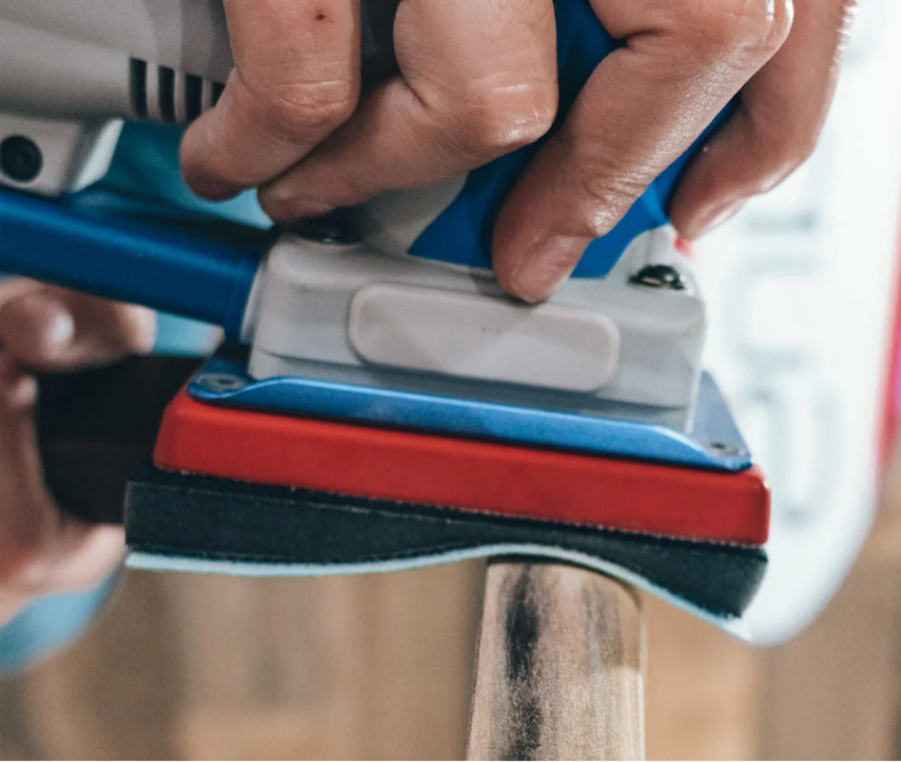
Sanding might appear to be an easy task before typical issues begin to interfere with the smooth finish.
Curved surfaces may come out uneven, while delicate edges can lose their shape before you even notice it. Meanwhile, sandpaper can wear off more quickly than anticipated, leading to an increased duration and cost of the task. Vibration and heat are also a result of long sanding sessions, which influence control and tool performance.
Fortunately, even minor adjustments to your sanding system can produce a visible shift in the working of the tool. One of those changes is adding an interface pad between the abrasive and the backing pad to create a more balanced sanding experience. This additional coating assists in enhancing contact, controlling better, and safeguarding both materials and equipment in use.
To better understand its role in the sanding process, let’s explore five common problems an interface pad can help solve and how it contributes to smoother, more consistent results.
1. Uneven Sanding on Curved and Contoured Surfaces
Curved surfaces can be difficult to sand evenly, as a hard sanding pad may not be able to fully follow their shape. Uneven contact results in certain areas receiving excess pressure and others being underworked. Such an imbalance causes uneven surface results.
When that inconsistency occurs, subsequent layers such as paint or stain enhance its visibility even more. Minor anomalies in sanding depth start to become apparent during coating, thereby lowering the quality of the entire workpiece. At this point, it may take additional time and effort to fix the surface.
To prevent such accumulation of imbalance, improved surface conformity is necessary during sanding. An interface pad assists in offering flexibility between the abrasive and backing system. The flexibility enables the abrasive to stretch around curves more intuitively, leading to a smoother and more consistent contact with the whole surface.
2. Sanding Through Edges and Delicate Materials
Edge work poses another level of challenge since slight variations in pressure can easily influence the surface. Thin materials, veneers, and sharp edges react extremely quickly to any force and are therefore very sensitive when sanding. Even a slight increase in pressure can remove more material than was intended, causing uneven places, which can be difficult to repair in the future.
When that pressure becomes uneven, edges start to lose their sharp lines, and fine details are ruined unexpectedly. As they are frequently included in the final, visible finish, anything that goes wrong cannot be easily covered or remedied. This is why it is necessary to achieve even and controlled pressure when working along edges and fragile areas.
The balanced pressure distribution assists in eliminating such risks when undertaking sanding activities. An interface pad cushions the direct contact between the abrasive and the surface, which causes the force to be more distributed. With better balance, edges remain protected while still achieving a smooth and consistent finish.
3. Premature Wear of Sandpaper and Abrasives
Frequent abrasive replacement is often a clear sign that something in the sanding process is not balanced correctly. Uneven pressure or excessive friction can cause sandpaper to break down much faster than expected, which immediately affects both efficiency and workflow. As a result, work gets interrupted more often, and productivity starts to slow down.
When this pattern continues, the abrasive loses its cutting sharpness and becomes less effective with each use. That decline forces more frequent changes, which also increases material costs over time. Because of this, improving abrasive life becomes an important part of maintaining steady and efficient sanding performance.
Reducing stress on the abrasive helps address this issue more effectively. A cushioning layer helps distribute pressure more evenly across the surface, allowing the sandpaper to perform consistently. With better balance, abrasives stay effective for longer and deliver more reliable results.
4. Damage To the Backup Pad from Heat and Friction
Heat buildup during sanding is often not noticed until tool performance starts to drop. Continuous friction creates gradual temperature rise, and that heat slowly transfers into the backing system. Over time, this weakens the structure and reduces its ability to maintain stable attachment between components.
Once the backing system begins to weaken, attachment strength becomes less stable, and abrasive movement may increase during use. That instability directly affects sanding consistency and can interrupt the workflow, especially during longer sessions. Because of this, protecting the backing pad becomes an important part of maintaining steady and long-term tool performance.
Adding a protective layer between the abrasive and the tool helps control this issue more effectively. An interface pad reduces direct heat transfer by absorbing part of the friction before it reaches the backing system. With this added protection, the equipment stays more stable and performs more reliably over extended sanding work.
5. Excessive Vibration During Sanding
Extended sanding sessions often reveal how much vibration can affect both comfort and control during the sanding process. As the tool continues to move, it becomes harder to maintain steady contact with the surface, especially when working on detailed areas that require precision. This constant movement can gradually tire your hands and arms, making it more difficult to guide the tool accurately. As fatigue builds, maintaining the same level of control becomes a challenge, and small mistakes become more likely.
When control starts to decline, even minor hand movements can leave noticeable marks on the surface. Although these variations may seem insignificant at first, they can gradually affect the overall smoothness and consistency of the finish. Because of this, vibration plays a much larger role in sanding quality than many people realize.
Reducing vibration helps create a more stable and controlled sanding experience. An interface pad absorbs part of that movement before it reaches the user, allowing smoother handling, better control, and more consistent results across different surfaces.
Conclusion
Sanding problems often develop when pressure, contact, and tool movement are not working together effectively. As these issues build up, surfaces become harder to finish smoothly, and more time is spent fixing imperfections instead of moving the project forward. Creating a more controlled sanding process helps improve consistency and makes results easier to achieve.
This is where an interface pad can make a meaningful difference. By adding a cushioning layer between the tool and abrasive, it helps improve stability throughout the sanding process. With better balance and control, you can achieve cleaner finishes and more consistent results across a wide range of sanding applications.
Mircari Quotes And Sayings
 Blue Wall Paint Trends and Tips: Choosing the Perfect Wall Paint
 How A San Antonio Injury Lawyer Can Help You After An Accident
 Common Car Wreck Injuries
 How to Make Your Cornhole Games More Fun with Themed Bags
 Alexander Ostrovskiy: 10 Glute Exercises You’re Not Doing (But Should Be)
 Syna World Shorts Set – Summer Style Redefined
 8 Top SASE Vendors Offering Comprehensive Network Protection
 The Golden Rules of Evening Fashion: How to Stand Out Without Overdoing It