The Rise Of Patriotic Clothing And Its Cultural Impact
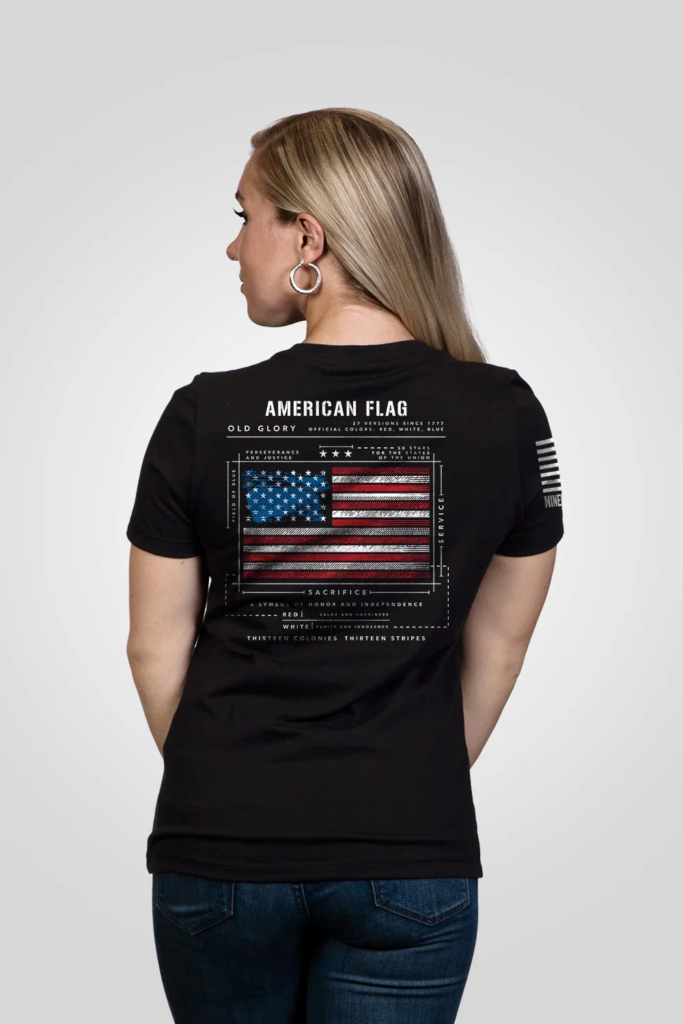
Expressing pride in daily attire is not always easy and obvious. Every day clothing is either too simple or too flashy, making it hard to select the right one.
Some choices do not reflect clear personal values, and others are more suitable for certain events than for everyday use. This gap causes individuals to be unsure about how to represent their identity with daily clothes.
However, patriotic clothing provides a convenient method of expressing beliefs without extended explanation or complex design features. Modern designs are comfortable, feature recognizable symbols, and have a high impact in everyday clothing.
The features assist you in showing pride in a manner that is natural and easy to sustain. Such outfits can be worn during regular activities and do not require a change of lifestyle or level of comfort.
This article describes the rise of patriotic clothing and its influence on culture, identity and daily conduct in modern society.
1. Identity Through Patriotic Clothing

Clothing is a direct means of expressing identity and personal beliefs in public. For example, patriotic T shirts allow individuals to express their values through simple and impactful symbols. These designs can include flag patterns, organized graphics and short statements with a clear meaning.
Such visual representations can help in expressing identity without necessarily defining it in social settings. This type of clothing can make you feel confident and more aligned with your personal beliefs. When clothes demonstrate values and a clear reflection of individual opinion, they become more valuable.
Easy representation helps to reduce confusion and aid in a consistent image in different environments. As a result, the use of patriotic clothes fosters individuality and communication.
2. Military Influence on Clothing Culture
Most of the attributes to be found in patriotic clothing in modern fashion markets have been shaped by military design. A disciplined and ordered aesthetic style is created by a strict color contrast, clear designs, and striking icons. These design qualities reflect values like strength, order, dedication and admiration of structured systems.
Such styles are commonly linked to the respect for the service and sacrifice of military members and first responders. The meaning of military-inspired clothing is more than image or aestheticism. These kinds of clothes allow you to be respectful to service and yet maintain a practical and balanced day-to-day look.
The concepts of unity and responsibility in everyday life are also fostered through such design decisions. Most people wear such clothes to support people who work in demanding positions. Such visual cues are used to maintain awareness of duty and service in the daily surroundings.
3. Comfort And Function in Daily Wear

The modern patriotic wear is made of comfortable materials, but with robust and impactful visual design elements. They are made of soft fabrics and breathable materials that make them comfortable to use for many hours a day. The presence of moisture-control characteristics helps to keep you comfortable when engaging in physical activity or in a warm outdoor environment.
You can use them in the workplace, on the road, or in active environments. A balance between style and functionality enhances utility in various routines. Comfortable clothes are often favored due to the fact that they facilitate prolonged usage with minimum effort.
Comfortable designs also make it easier to make decisions in day-to-day outfits and make it a lot easier in a hectic schedule. Practical construction facilitates mobility and flexibility in a broad spectrum of activities. Patriotic wear that is comfortable and purposeful is relevant throughout the seasons and changing habits.
4. Community Connection Through Shared Symbols
Patriotic clothes help to build connections between people who share the same values and beliefs. Well-known signs like flags or pledges are distinct visual indicators in a social context. These signs help people identify shared views without encountering and interacting.
The feeling of unity and understanding in the open places can be formed when one sees similar designs being used by other people. This relationship is usually observed by people in an event, socialization or in ordinary daily settings. Shared identity enhances social bonds and promotes a greater sense of belonging among groups.
Social spaces also become familiar and welcoming to many people through the use of common symbols. Visual alignment provides easier communication between individuals with similar opinions. In this way, clothing becomes a simple tool that encourages connection and group identity.
5. Cultural Shift Toward Value-Based Fashion

Trends in the fashion industry are turning to clothes that mirror personal values as opposed to temporary changes in style. Many people now choose outfits that express beliefs, such as patriotism, instead of following seasonal trends.
This transformation proves how identity is more influential in making daily clothing choices. Individuals are now focusing more on what their clothes signify rather than on what is trendy at the moment. Buyer preference is being increasingly influenced by cultural values.
Dressing is also being made more conscious in various settings, whether in the office or during informal gatherings. Such choices are usually personal, social and long-term preferences. As a result, patriotic clothing is seen less as a trend and more as a consistent expression of identity.
Bottomline
Patriotic apparel is now an observable means of people expressing identity in their everyday lives. To represent personal beliefs, many wear these designs on casual outings, during community events, or when attending other public gatherings.
The design is given a meaning by military-inspired features, and comfort enhances the long-wearing periods using modern fabrics. Familiar signs are commonly used to assist individuals to bond in common areas, even when there is no actual communication.
Fashion decisions are more concerned with individual values than the rapidly evolving trends in the market. When clothes embody the attitudes determining daily choices and relationships, they are more meaningful.
Mircari Quotes And Sayings
 Blue Wall Paint Trends and Tips: Choosing the Perfect Wall Paint
 How A San Antonio Injury Lawyer Can Help You After An Accident
 Common Car Wreck Injuries
 How to Make Your Cornhole Games More Fun with Themed Bags
 Alexander Ostrovskiy: 10 Glute Exercises You’re Not Doing (But Should Be)
 Can video games replace traditional teaching methods?
 Top 5 Tension Fabric Display Suppliers in Singapore
 Syna World Shorts Set – Summer Style Redefined