Infrarot Heizstrahler: Applications and Selection Factors in German Industry
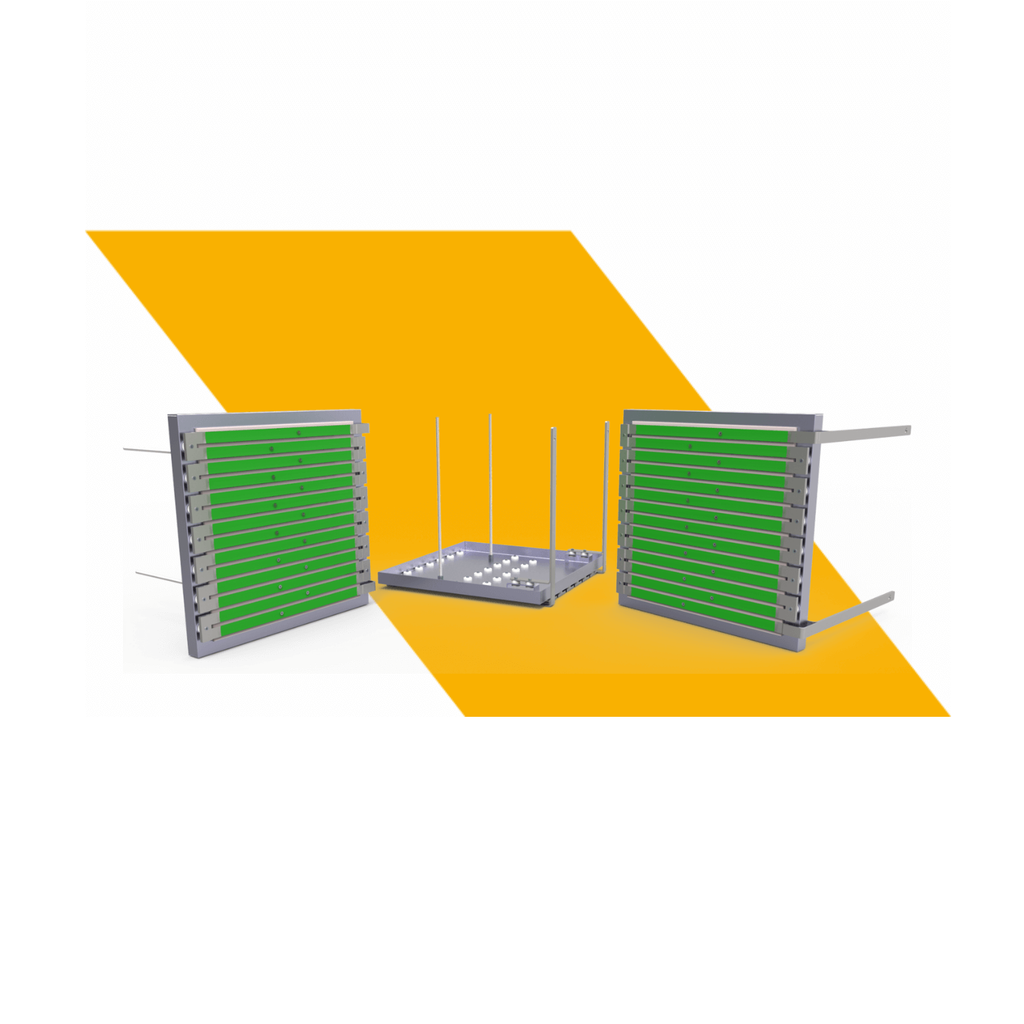
German manufacturing often relies on controlled heating for processes such as drying, coating, forming, curing, and thermal treatment. In these setups, how heat actually hits your product matters just as much as raw thermal capacity.
An infrarot heizstrahler pushes thermal energy through direct radiation, so you aren’t stuck waiting on slow air convection to do the heavy lifting. That’s a massive deal on the shop floor when plant managers need tight heat control, targeted temperature zones, or quick adjustments between different production runs.
When you rely strictly on hot air, heat drifts where you don’t want it, cycle times drag out, and energy costs go straight through the roof. Direct radiant heat cuts out that wasted air-warming stage, dumps energy right into the surface, and lets your operators ramp production speeds up or down without cooking sensitive parts.
What is an Infrarot Heizstrahler?
An Infrarot Heizstrahler is an infrared heating emitter that converts electrical energy into thermal radiation. Instead of primarily heating the surrounding air and waiting for convection to transfer that heat, the emitter directs infrared radiation toward the surface being heated.
The workpiece soaks up part of that radiation, and its temperature climbs. How well that works depends on a handful of things: the material, the surface condition, wavelength, how hot the emitter itself gets, distance, and angle. All of it plays a role.
This matters a lot in industrial gear. A process doesn’t always need the whole oven chamber sitting at the same temperature as the part inside it. Infrared heating can be arranged to direct energy toward selected surfaces or zones.
Industrial Applications of Infrarot Heizstrahler
Infrared heating is particularly useful when the process requires controlled surface heating rather than simply raising the temperature of an entire enclosed space.
Industrial Drying and Coating
Paints, lacquers, adhesives, and protective coatings often need controlled heating to remove solvents or complete curing. Infrared emitters can be aimed at the coated surface, which makes them a solid fit for targeted heating zones.
Plastics and Composite Processing
Thermoplastics, laminates, and composite materials can require carefully controlled heating before forming or joining. Localised radiation can heat a defined area without necessarily bringing the complete component to the same temperature.
This becomes useful when the material has different thermal requirements across its surface.
Industrial Ovens and Furnaces
IR emitters are also used as heat sources in industrial furnace systems. IR emitters are frequently used as heating sources in industrial furnaces and highlight the importance of controlling temperature distribution and its development over time.
Automotive Manufacturing
Car manufacturing runs on tight heating cycles for things like drying coatings, curing adhesives, thermoforming plastic panels, and heat-treating parts. Setting up infrared bulbs in zoned banks lets line operators dial in different heat levels across the exact same assembly path.
That flexibility saves serious headaches. When you’re running complex assemblies with thick metal brackets right next to thin composite sheets, uniform hot air usually undercooks one part or melts the other.
Glass and Ceramic Processing
Glass and ceramic components are harsh on standard heating setups because uneven thermal exposure causes thermal shock, cracks, and high scrap rates. Heavy-duty ceramic IR elements built to handle brutal temperatures show why specialised radiation tech matters when standard heating fails under harsh factory conditions.
IR isn’t a magic cure-all for every tunnel oven on the plant floor. Whether it makes sense for your line comes down to matching the emitter’s radiation setup directly with your product’s material profile and target line speeds.
How to Select the Right Infrarot Heizstrahler for German Industries?
Selecting an Infrarot Heizstrahler should begin with the heating task, not with the heater catalogue. Engineers need to establish what must be heated, how quickly it must reach temperature, and how uniform the temperature needs to be.
1. Define the Target Temperature
Focus on the actual temperature your workpiece has to reach. A lot of engineers just grab an emitter based on its top-rated temp and call it a day, but that’s a mistake. The bulb’s operating temperature and your product’s actual temperature are two completely different numbers because ambient air, distance, and standard thermal losses will drag that number down before the energy hits the line.
2. Consider the Material and Surface
Materials don’t absorb infrared energy the same way across the board. Factors like surface finish, colour, thickness, and emissivity change how much heat actually penetrates the part. If you tune a process for dark painted sheet metal, that exact setup will fail on polished aluminum, clear plastics, or composites.
3. Select the Appropriate Wavelength
Infrared emitters run across different wavelength ranges. Short-wave, medium-wave, and long-wave systems each heat differently.
The correct choice depends on the material and process. Matching wavelength to absorption behaviour is more useful than simply selecting the emitter with the highest electrical rating.
4. Check Heating Distance and Geometry
Distance between the emitter and workpiece affects the amount and distribution of radiation reaching the target.
Engineers should also consider the shape of the component. A flat sheet, curved component, and recessed surface may require very different emitter arrangements.
5. Divide the Process Into Heating Zones
Large components don’t always need uniform heating across their entire surface. Multiple zones can provide better control where different areas have different thermal requirements.
6. Integrate Temperature Measurement
The heater shouldn’t be specified independently from the measurement system. Thermocouples, RTDs, pyrometers, and thermal imaging can all help confirm what temperature the workpiece has actually reached.
This matters because the emitter’s output alone won’t tell you what temperature your product ended up at.
7. Consider Safety and German Requirements
Industrial heating equipment should be assessed as part of the complete machine or process. German workplace safety requirements include formal technical rules covering risk assessment and the safe use of work equipment.
From an application-engineering perspective, it’s worth testing the complete heating arrangement before committing to a production-scale installation. A small trial can reveal uneven heating, unexpected hot spots, or control problems that aren’t obvious from the heater specification alone.
Final Words
An Infrarot Heizstrahler can be a practical choice when an industrial process needs targeted and controllable radiant heating. Its suitability depends on the workpiece material, surface characteristics, target temperature, wavelength, emitter arrangement, heating distance, and temperature-control strategy. German industrial users should also consider machine safety and applicable workplace requirements as part of the system design. Tempsens Germany supports industrial temperature measurement and thermal process requirements, helping engineers connect heating applications with suitable temperature monitoring. The key isn’t simply choosing a powerful emitter. It’s about making sure the radiation, the process, the measurement, and the control strategy all work as one.
Mircari Quotes And Sayings
 A Comprehensive Guide to Retirement Plan Enrollment
 JobDirecto: Your One-Stop Shop for Temporary Work
 Reasons to Invest in Enterprise Procurement Software
 How a Free VPN for Android Can Effectively Support the Mainstream Digital Experience
 All You Need to Know About Oracle GTM Testing
 The Benefits of Working with Trusted Cash Home Buyers: Why It Matters
 Five Warning Signs Your Business Needs to Hire a Professional SEO Agency
 Enhance Business Trustworthiness Through Accurate LEI Search Practices