How Leaves and Debris Affect Pool Water Quality and Cleaning Efficiency
A few leaves floating on the pool surface may not look like a big issue. Many pool owners skim them out later and move on. But when leaves, pollen, insects, grass clippings, twigs, and small yard waste sit in the water too long, they can affect more than appearance.
Organic debris can float, sink, stain, clog baskets, weaken filtration, and increase the amount of work chlorine has to do. Over time, that means more cleaning, more testing, and more catch-up maintenance.
Leaves are part of water care, not just a quick visual cleanup. When debris is removed early, the pool stays easier to manage, water looks clearer, and cleaning becomes more efficient.
How Organic Debris Changes Pool Water Quality
Decomposing Leaves Can Affect pH and Chlorine Demand
Leaves and yard waste start breaking down once they sit in pool water. As they decompose, they release organic material that can change the way the water behaves. Chlorine then has to work harder, not only on germs and swimmer waste, but also on decaying debris.
This can make sanitizer disappear faster than expected. A pool that tested fine earlier in the week may suddenly need attention after a windy day or a weekend of heavy debris.
Debris can also contribute to cloudy water, odors, and algae-prone areas if it is ignored. The longer it sits, the harder the pool has to work.
Tannins and Stains Can Make the Pool Look Neglected
Leaves can also release natural pigments, including tannins. When leaves sit on the pool floor or liner, those pigments may leave brown or dark marks. Lighter pool surfaces can show these stains quickly.
Stains are usually more frustrating than the leaves themselves. Removing a leaf takes seconds. Treating a stain may take testing, brushing, stain identification, and product care. That is why early removal is the easier path.
Debris Makes Chlorine and Filtration Work Harder
Chlorine is meant to sanitize water. It should not be expected to replace physical cleaning. When leaves, insects, pollen, and dirt pile up, chlorine has more organic material to handle. That can reduce how long sanitizer stays effective.
Filtration also takes a hit. Skimmer baskets fill faster. Pump baskets may clog. Filters collect more fine particles. Circulation can weaken if the system is overloaded with debris.
For homeowners comparing tools such as a cordless pool vacuum cleaner, the real value is not only convenience. It is reducing how much debris stays in the water long enough to affect chemistry and filtration.
A cleaner pool is usually easier to balance. Less debris means fewer surprises when testing chlorine, pH, and water clarity.
Why Debris Lowers Cleaning Efficiency
More Debris Means More Time Spent Catching Up
Debris is easiest to remove before it sinks. Once leaves settle on the floor, they can clog vacuums, fill baskets, and require repeated cleaning passes. Fine dirt and pollen may spread across the bottom or collect in corners.
That turns a quick skim into a longer routine: skim, brush, vacuum, empty baskets, clean the filter, and retest water. If the pool is near trees, landscaping, or outdoor seating areas, this can become a weekly cycle.
A pool leaf vacuum cleaner can be useful for understanding how leaf-heavy pools need different cleaning support than pools with only light dust or occasional insects. Large debris and fine debris do not behave the same way, so owners should match the tool to the mess.
Algae Risk Increases When Debris Sits Too Long
Leaves and organic matter can also support algae growth, especially in warm weather. Debris often collects near steps, corners, walls, ladders, and low-circulation areas. These spots are already harder to keep clean.
When sunlight, warm water, low chlorine, and organic material come together, algae has a better chance to spread. That is why debris removal is part of algae prevention. It reduces what the water has to fight before the problem becomes visible.
Match Cleanup Tools to the Debris You Actually Get
Different pools collect different messes. A pool under trees may need frequent leaf removal. A pool near grass may collect clippings after mowing. A pool used by kids every day may show sunscreen residue, insects, and small particles near the waterline.
Before choosing a cleaner, look at what happens most often. Is debris mostly floating? Does it sink quickly? Does the waterline get dirty after swimming? Does the filter clog after storms?
That simple review helps owners avoid buying based only on features. The best cleaner is the one that solves the repeated problem, not the one with the longest product description.
Using Beatbot Robotic Pool Cleaner to Handle Routine Leaves and Debris
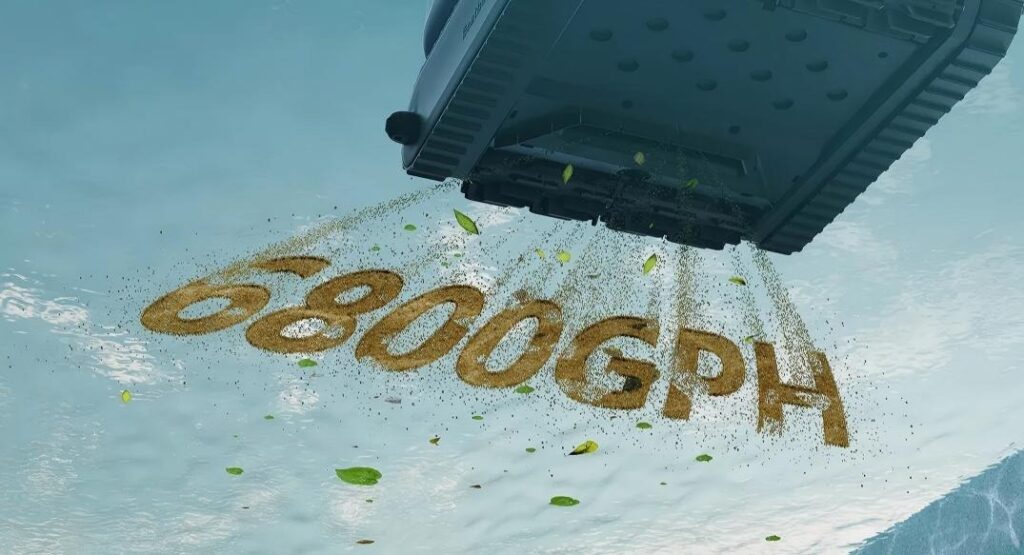
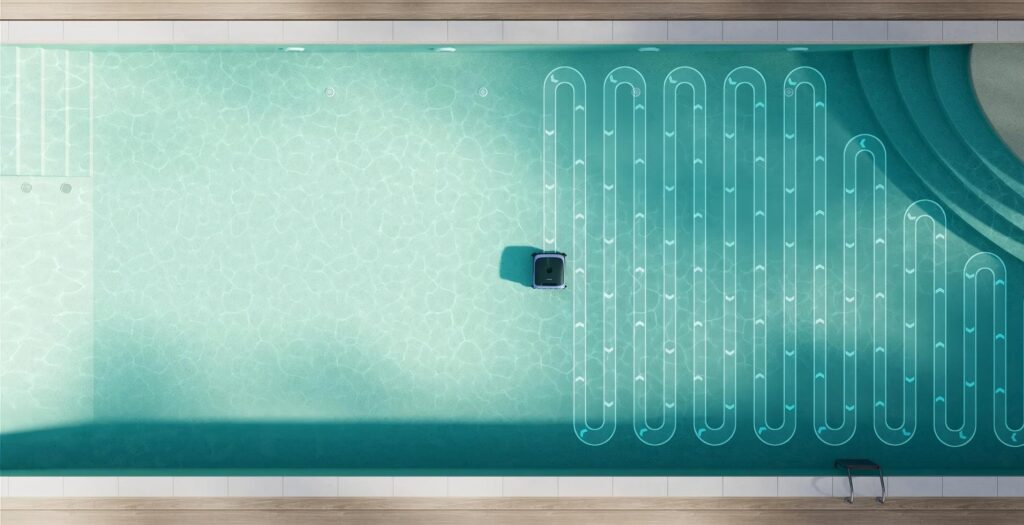
Beatbot sora 70 fits this topic well because leaves and surface debris are a major part of everyday pool cleaning. It can be presented as a practical robotic pool cleaner for owners who want help managing floating debris, settled dirt, waterline buildup, and routine cleanup after windy days or backyard use. This makes sense for pools near trees, fences, landscaping, patios, or outdoor dining areas where leaves, pollen, insects, and dust appear often. A realistic use case is simple: after an afternoon breeze pushes leaves and bugs into the pool, the Sora 70 can run while the owner checks the skimmer basket, water level, and chlorine reading. Its value is in making debris cleanup more regular, so the pool does not wait until the weekend for attention. It supports physical cleaning and can reduce manual skimming or vacuuming, but it does not replace water testing, filtration, chlorine balance, or safe pool-care habits.
| Debris Problem | What It Can Affect | Practical Response |
| Floating leaves | Surface appearance and skimmer load | Skim early or run surface cleaning |
| Sunken leaves | Stains and longer vacuuming | Remove before they break down |
| Pollen and fine dust | Cloudiness and filter pressure | Use filtration and regular cleaning |
| Insects and grass | Organic load in the water | Empty baskets and clean after use |
| Waterline residue | Grime and visible buildup | Brush or clean the edge regularly |
| Heavy storm debris | Chlorine demand and circulation | Clean, circulate, test, and retest |
Simple Habits to Reduce Leaves Before They Become a Problem
The easiest pool debris routine is the one that happens before leaves sink. Skim leaves and insects when you notice them. Empty skimmer and pump baskets after windy days. Trim overhanging branches and keep nearby landscaping tidy.
A pool cover can help when the pool will not be used for several days. It does not replace cleaning, but it can reduce how much debris enters the water between swim days.
Brush steps, corners, and waterline areas because debris often gathers there. Run filtration long enough after storms, heavy wind, or backyard gatherings. These small habits help prevent a larger cleanup later.
What to Do After a Heavy Leaf or Debris Event
After a storm, windy afternoon, or yard cleanup day, start with physical removal. Skim large debris first. Empty baskets. Remove visible leaves from the floor if possible.
Then brush the waterline, steps, and corners to loosen residue. Run the pump and check filter pressure or flow. If pressure rises quickly or return flow weakens, the filter may need cleaning.
Test pH and chlorine before adding chemicals. If the water turns cloudy or green, treat based on test results and product label guidance. Guessing can waste chemicals and delay recovery.
Keeping Pool Water Clear With Less Catch Up Work
Leaves and debris affect pool water quality because they break down, increase chlorine demand, strain filtration, encourage algae, and make cleaning less efficient. The sooner debris is removed, the easier the pool is to manage.
The best routine is simple: remove debris early, protect circulation, test water, clean baskets, brush problem areas, and use helpful tools when debris is frequent.
A pool stays easier to maintain when leaves are treated as part of water care, not just something to skim before swimming. Small cleanup habits keep the water clearer, reduce catch-up work, and make the pool more enjoyable throughout the season.
Mircari Quotes And Sayings
 Blue Wall Paint Trends and Tips: Choosing the Perfect Wall Paint
 How A San Antonio Injury Lawyer Can Help You After An Accident
 Common Car Wreck Injuries
 How to Make Your Cornhole Games More Fun with Themed Bags
 Alexander Ostrovskiy: 10 Glute Exercises You’re Not Doing (But Should Be)
 Can video games replace traditional teaching methods?
 Top 5 Tension Fabric Display Suppliers in Singapore
 Syna World Shorts Set – Summer Style Redefined