What Are Synthetic Indices in Forex? A Guide for New Traders
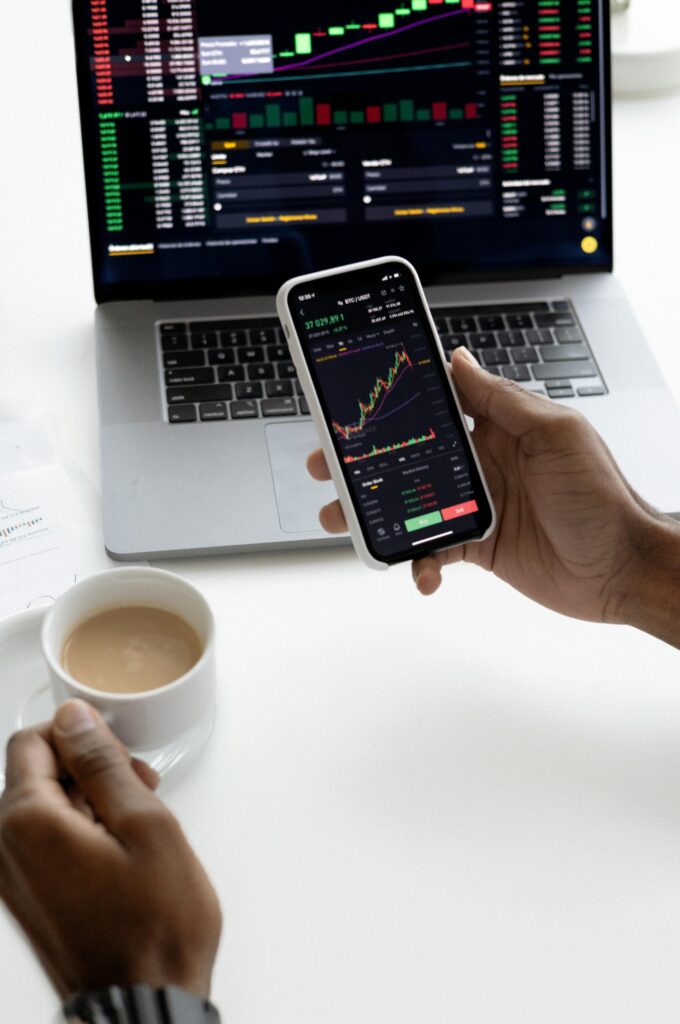
Synthetic indices offer something different from most conventional financial instruments available on the market. Unlike the regular forex currency pairs, synthetic indices in forex aren’t influenced by real-world economic events, central bank policies, or geopolitical developments.
So, what are synthetic indices in forex? They are a simulated financial instrument generated using algorithms and random number generators. The algorithms mimic real market conditions without outside influence, which makes synthetic indices an attractive option to many traders.
In this guide, we’ll break down what synthetic indices are in forex, how they function, and what new traders should know before getting started.
How Synthetic Indices Work
Price movements in synthetic forex markets are generated and influenced by algorithms and random number generators. The goal is to create a market that mimics real-world financial markets, excluding factors such as interest rates, geopolitical news, and economic reports that influence trends or volatility.
Price movements in synthetic indices are designed to follow specific volatility levels, meaning each index has a predefined intensity of price fluctuations. For instance, the Volatility 75 index experiences larger and faster price swings than the Volatility 10.
Synthetic indices in forex operate 24/7 all year round. Since they aren’t tied to real-world markets, they remain active even when traditional forex markets are closed.
Types of Synthetic Indices Available
What are synthetic indices in forex? Synthetic indices in forex come in several categories, each designed to simulate different types of market behavior. Several brokers offer synthetic indices, and if you are interested, you should go to the Syntxwiki website, register for an account, and start trading synthetic indices.
Below is a brief breakdown of the types of synthetic indices available.
§ Volatility Indices
These are very popular among traders. They are designed to mimic market volatility at fixed levels, such as the Volatility 25, 50, 75, and 100 indices. The higher the number, the higher the volatility level, meaning price movements are more frequent and larger.
§ Boom and Crash Indices
Boom and crash indices are known for sudden spikes and drops in price. Boom indices produce sudden upward price spikes, while crash indices produce sharp downward movements.
Traders often rely on technical indicators, such as price action, relative strength index (RSI), and Bollinger Bands, to measure volatility and identify potential market entry and exit points.
§ Step Indices
These synthetic indices shift in small but predictable increments. Prices in step indices shift in fixed step sizes, making them appealing for traders who prefer slower and more structured price movements.
Each step moves up or down by a set amount. The number in the step index determines the step size. Moreover, volatility in step indices increases with the step size.
Tips for New Traders Starting with Synthetic Indices
Synthetic indices in forex can be an attractive option for new traders. However, new traders need to approach the synthetic market with caution. As always, practice trading synthetic indices on a demo account before risking real money.
Next, start with low-volatility indices to better manage risk and avoid large, sudden losses when making the transition to live trading. Last, ensure you employ risk management to protect your capital. Always use stop-loss orders, avoid risking more than 2% of your capital on a single trade, and maintain consistent lot sizing on all trades.
Mircari Quotes And Sayings
 KMSpico Download: How It works, How to download and Why you should be careful
 Weekend Gaming with Friends? Here’s the Setup You Need
 The Timeless Appeal of Automatic Watches: Why They Still Matter Today
 AOMEI Partition Assistant Review: Simplify Disk Management for Windows 11
 Why Settle for Boring? Building Features That Make Life More Fun
 Best Indoor Seeds: High-Yield Indoor Strains for Every Grower
 Modern Loneliness and the Rise of Paid Companionship Services
 The Comfort Routine People Are Turning To This Year