How to Start a Successful Supplement Business: Product Selection and Manufacturing Insights
The supplement industry is one of the fastest-growing sectors in the health and wellness market, driven by an increasing focus on personal health and fitness. With people becoming more conscious about their nutrition, wellness, and overall lifestyle, the demand for dietary supplements has surged in recent years. This growth is expected to continue as consumers seek solutions to support their physical and mental well-being.
The Expanding Supplement Market
The global dietary supplement market is valued at billions of dollars, with North America, Europe, and Asia being major contributors. The rise of e-commerce platforms like Amazon and health-focused marketplaces like iHerb has made it easier for consumers to access supplements from the comfort of their homes. Additionally, the proliferation of online content related to fitness, nutrition, and well-being has fueled awareness about various supplement benefits, further propelling the market’s growth.
This shift towards online shopping, combined with an increasing interest in specific health needs, has created an enormous opportunity for new supplement brands to enter the market. Whether you’re interested in launching a line of protein powders, vitamins, or wellness-focused supplements, the path to success requires more than just having a great product—it requires understanding the market, building a solid brand, and adhering to industry regulations.
Why Now is the Perfect Time to Start a Supplement Brand
As the supplement market continues to grow, it offers significant opportunities for both new and existing entrepreneurs. However, standing out in this competitive market requires more than just offering the most popular products. It’s essential to differentiate your brand through innovation, quality, and strong marketing strategies. Additionally, global health concerns, such as the COVID-19 pandemic, have led to an increased focus on immunity-boosting and wellness supplements, further amplifying demand.
Many consumers are also moving away from traditional pharmaceutical options and are opting for natural, holistic alternatives that supplements can provide. This shift is particularly noticeable in categories like gut health, immune support, and mental well-being. The rise of trends like plant-based diets and personalized nutrition is opening new avenues for supplement brands to tap into niche markets.
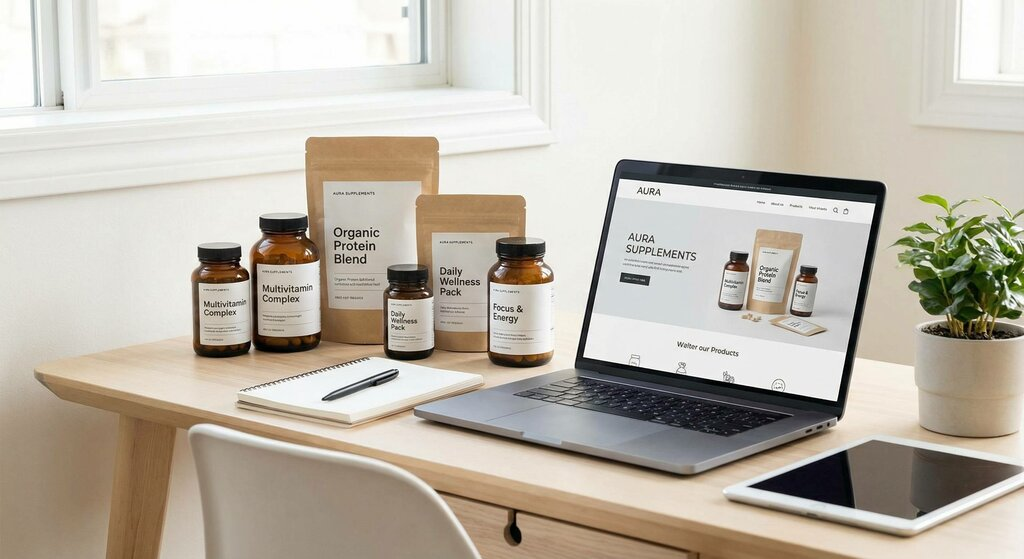
Whether you’re starting from scratch or expanding an existing business, understanding the current trends and aligning your brand with consumer demand is crucial. Knowing the types of supplements that are in high demand and having a clear strategy to launch and grow your brand will give you a competitive edge in this evolving industry.
The Importance of Choosing the Right Products to Manufacture
When entering the supplement market, selecting the right products is one of the most critical decisions you’ll make. Choosing the right niche, whether it’s weight loss, muscle recovery, skin care, or immunity-boosting, will define your brand’s identity and target audience. Additionally, knowing which products have the highest demand, combined with low regulatory barriers, can give you a good starting point for your supplement line.
We will explore the key steps to starting a supplement brand, including selecting the right products, building a brand identity, understanding industry regulations, and creating effective marketing strategies. By the end, you’ll have a clear understanding of what it takes to launch and scale a successful supplement business, with a special focus on how partnering with the right supplement manufacturer can help bring your products to market seamlessly.
The dietary supplement market has been on a steady rise over the past decade, driven by a multitude of factors ranging from increasing health awareness to the growing popularity of personalized nutrition. With consumers becoming more conscious about their health and wellness, the demand for supplements continues to surge. This boom is not just limited to traditional forms like vitamins and minerals but extends to innovative and niche products designed for specific health concerns.
One of the most notable drivers of this market’s growth is the shift in consumer behavior. With the rise of online shopping and the convenience of ordering products directly from e-commerce platforms like Amazon, consumers now have access to an unprecedented variety of health products. Brands are leveraging these platforms to reach a global audience, making the supplement industry more competitive but also offering new opportunities for fresh entrants.
This growing demand for health supplements has created fertile ground for entrepreneurs looking to establish their own brands. However, launching a successful supplement business requires more than just having a great product idea. It demands market insight, an understanding of consumer needs, and most importantly, a high-quality manufacturing process.
Key Factors Driving the Supplement Market
- Health Conscious Consumers: The increasing awareness of the importance of diet and fitness has led more people to seek supplements as a way to enhance their health and prevent diseases. As the population becomes more health-conscious, the demand for products that support specific needs—such as immune health, gut health, joint support, and weight management—continues to rise.
- E-Commerce Growth: The rise of online platforms has made it easier than ever for brands to sell supplements to a global audience. According to recent reports, the e-commerce market for dietary supplements is projected to grow at a rapid pace, as consumers increasingly turn to online shopping for convenience and variety.
- The Global Wellness Trend: Wellness has become a cultural trend, and consumers are seeking products that not only address medical issues but also enhance their overall well-being. This encompasses everything from mental clarity and energy levels to beauty supplements that promote skin and hair health.
- The Aging Population: As the world’s population ages, there is growing demand for supplements that support aging-related concerns such as bone health, cognitive function, and heart health. This demographic shift presents a significant opportunity for supplement brands to cater to a more mature audience.
What You Need to Know Before Launching Your Own Supplement Brand
Starting your own supplement business is an exciting venture, but it comes with challenges. To navigate this complex market, you must understand the regulatory landscape, have the ability to offer high-quality products, and develop an effective marketing strategy.
1. Understanding the Regulatory Landscape
Before you even think about manufacturing your first batch of supplements, it’s essential to understand the regulations governing the supplement industry. In many countries, including the U.S. and the EU, dietary supplements are regulated by government bodies like the FDA and EFSA, respectively. These organizations set strict guidelines for manufacturing, labeling, and marketing dietary supplements.
For example, the FDA’s Good Manufacturing Practices (GMP) ensure that supplements are produced in a consistent and controlled environment. Following these guidelines is not only important for compliance but also for maintaining product quality and safety.
Important Considerations:
- Ingredient Sourcing: Ensure that the ingredients you use are sourced from reputable suppliers and comply with the regulations.
- Labeling: Supplement labels must include accurate information about the ingredients, dosage, and any warnings or side effects.
- Health Claims: Be cautious when making health claims about your products. These must be substantiated by evidence to avoid running afoul of regulatory authorities.
2. Choosing the Right Manufacturer
One of the most crucial decisions you’ll make when launching your supplement brand is choosing the right manufacturer. Your choice will have a significant impact on product quality, safety, and scalability.
Here’s what you should look for in a supplement manufacturer:
- Certifications: Look for manufacturers that follow GMP guidelines and hold certifications such as ISO or FDA registration.
- Transparency: A trustworthy manufacturer should be transparent about their manufacturing processes and ingredient sourcing.
- Capacity and Scalability: As your business grows, you need a manufacturer that can handle increased production volumes and scale with your business.
- Quality Assurance: Quality control should be a priority. Your manufacturer should provide third-party testing results and ensure your products are safe for consumers.
Why Focus on Quality Control?
In the supplement industry, quality control is not just a luxury—it’s a necessity. The safety and efficacy of supplements depend on stringent manufacturing standards and consistent product testing.
Your consumers trust that your products will meet the highest standards, so working with a manufacturer that implements rigorous quality control processes will help ensure the integrity of your supplements. This includes regular testing for ingredient purity, potency, and contamination levels.
Key Elements of Quality Control:
- Third-Party Testing: This ensures that the supplement matches the label and is free from harmful contaminants.
- Stability Testing: To guarantee that your products maintain their effectiveness over time.
- Packaging: Proper packaging helps preserve the integrity of the product and ensures it is protected from external factors such as moisture and light.
3. Selecting the Right Products to Manufacture
Once you’ve decided to launch your supplement brand, it’s essential to choose the right products to start with. The supplement market is vast, and selecting the right niche can help you target the right audience. However, it’s also important to ensure that the products you offer align with consumer demand and have the potential for growth.
Popular Supplement Categories to Consider
- Vitamins and Minerals: These are among the most commonly used supplements. Products like Vitamin D, Vitamin C, Magnesium, and Calcium are staples in the market. With more consumers turning to supplements to fill nutritional gaps, starting with essential vitamins and minerals can be a strong entry point.
- Gut Health Supplements: The growing trend in gut health, including probiotics, prebiotics, and digestive enzymes, presents an excellent opportunity. People are becoming more aware of the importance of gut health in overall well-being, which makes this category a profitable niche for supplement brands.
- Immune Support: With health concerns on the rise globally, immune-boosting supplements such as Elderberry, Zinc, Vitamin C, and Echinacea are more popular than ever. These products can cater to consumers who want to strengthen their immunity naturally.
- Weight Loss and Fitness: Supplements designed to support weight management, muscle building, and fat burning are always in demand. Protein powders, BCAAs, creatine, and fat burners are top sellers in the fitness industry.
- Beauty Supplements: As the demand for anti-aging and skin health products increases, supplements like collagen, biotin, and hyaluronic acid are popular among consumers looking to improve their skin, hair, and nails.
Key Considerations for Product Selection:
- Market Research: Understand which products have the highest demand and are in alignment with current health trends.
- Consumer Needs: Consider the age, lifestyle, and health concerns of your target audience.
- Sourcing and Ingredient Integrity: The quality of ingredients is paramount, so sourcing from reputable suppliers is critical.
4. Creating a Strong Brand Identity
Once your product lineup is ready, the next step is to establish a strong brand identity. In a crowded market, having a distinct and trustworthy brand is vital for standing out from the competition.
Tips for Building Your Brand:
- Consistency: Consistency in branding across all platforms, including packaging, website, and social media, helps create a recognizable identity. This includes logo design, color schemes, and fonts.
- Brand Story: A compelling brand story can help build emotional connections with consumers. Share your mission, vision, and values.
- Packaging: High-quality, well-designed packaging is essential for attracting consumers. It’s the first thing customers will notice about your product, and it should reflect your brand’s values of quality and integrity.
- Trustworthiness: Establish trust through transparency. Provide detailed information about ingredient sourcing, manufacturing practices, and quality control.
5. Developing a Marketing Strategy
Once your product and brand are in place, it’s time to get the word out. A solid marketing strategy is crucial for ensuring that your supplement brand reaches the right audience and grows effectively.
Marketing Strategies for Supplements:
- Influencer Partnerships: Collaborate with influencers in the health, wellness, and fitness sectors. This can help increase brand visibility and credibility.
- E-commerce Optimization: Optimize your listings on e-commerce platforms like Amazon, ensuring they include well-crafted product descriptions, high-quality images, and customer reviews.
- SEO and Content Marketing: Invest in SEO (Search Engine Optimization) to ensure your website ranks well on search engines. Content marketing, such as blogs and educational articles, can help position your brand as an authority in the supplement space.
- Social Media Marketing: Social media platforms like Instagram, Facebook, and TikTok offer great opportunities to engage with your audience. Share content that educates and entertains while also promoting your products.
- Customer Loyalty Programs: Offer discounts, exclusive deals, or a reward system for loyal customers to encourage repeat purchases.
6. Scaling Your Supplement Business
Once your business is running smoothly and generating sales, the next logical step is scaling up. As you expand, your business will face new challenges such as increased demand, production volume, and inventory management.
Key Strategies for Scaling:
- Outsourcing: Consider outsourcing specific tasks like customer service, fulfillment, or even manufacturing to trusted third-party partners. This allows you to focus on growing your brand and improving customer experience.
- Diversify Your Product Line: Once you have established a presence with one or two products, you can expand into additional supplement categories. Diversifying your product line helps attract a broader customer base.
- Global Expansion: As your brand grows, you may want to consider selling internationally. Understand the regulatory landscape of other countries and expand accordingly.
Final Thoughts
Launching a supplement business requires careful planning, an understanding of regulatory guidelines, and a focus on quality and transparency. By choosing the right products, building a strong brand, and executing a targeted marketing strategy, you can position your supplement brand for long-term success in an ever-growing and competitive market.
As a supplement manufacturer, it’s crucial to prioritize quality control, work with trusted suppliers, and ensure compliance with industry standards. Your reputation will be defined by the safety, efficacy, and reliability of the products you offer.
With the right approach, the supplement industry can be an incredibly rewarding space to enter, offering a chance to positively impact people’s health and wellness while building a successful business.
Mircari Quotes And Sayings
 How to Focus on Studying for Successful Admission
 Top 5 Tension Fabric Display Suppliers in Singapore
 Can video games replace traditional teaching methods?
 Alexander Ostrovskiy: 10 Glute Exercises You’re Not Doing (But Should Be)
 How to Make Your Cornhole Games More Fun with Themed Bags
 Common Car Wreck Injuries
 How A San Antonio Injury Lawyer Can Help You After An Accident
 Blue Wall Paint Trends and Tips: Choosing the Perfect Wall Paint