How AI and automation are transforming Customer Experience
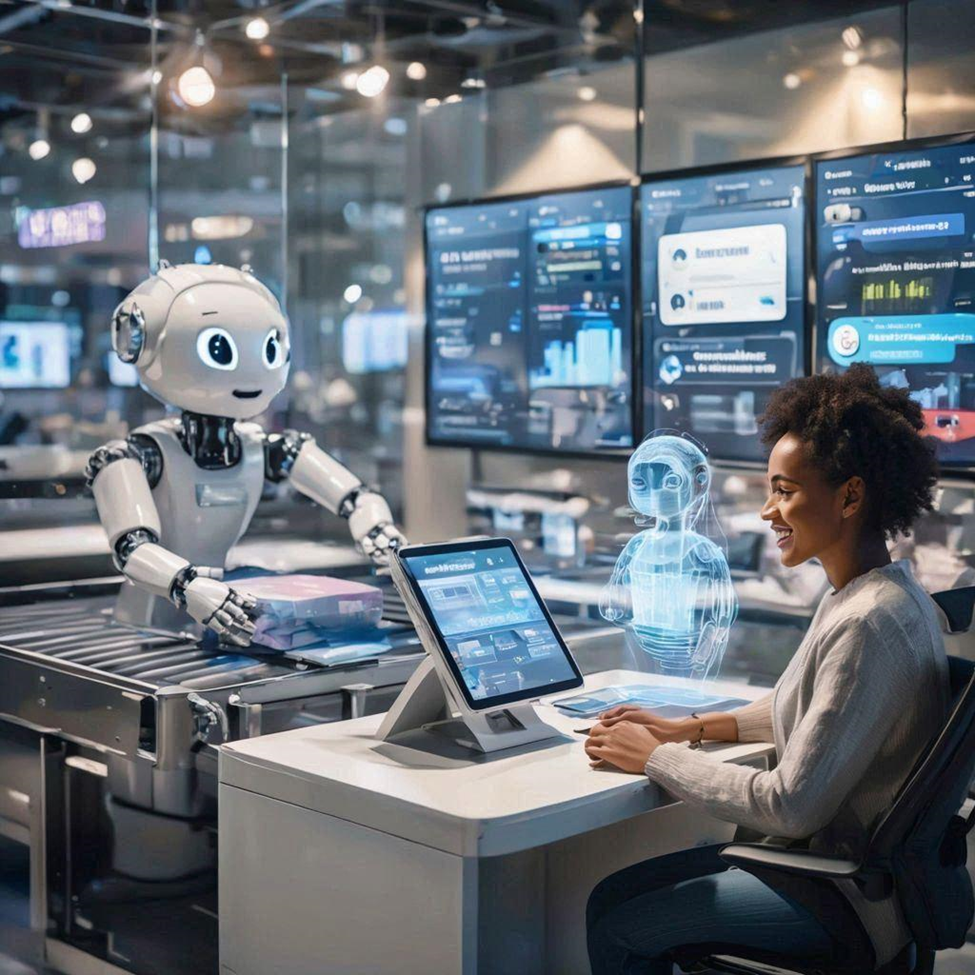
Customer experience (CX) has become the centerpiece of modern business strategy. In today’s competitive market, it’s not just about having a great product — it’s about how customers feel during every interaction with your brand. With artificial intelligence (AI) and automation taking center stage in digital transformation, companies are rethinking the way they engage with customers. These technologies are no longer buzzwords — they are driving real, measurable improvements in customer journeys, from initial contact to post-sale support.
But how exactly are AI and automation changing the CX landscape? And more importantly, how can businesses use them strategically to build stronger relationships and stay ahead of the curve? Let’s break it down.
How AI enhances Customer Experience
Smarter personalization at scale
AI-powered personalization is redefining how companies connect with their customers. Instead of relying on generalized messages or assumptions, AI uses real-time data to understand individual behavior, preferences, and needs. That means delivering highly relevant content, offers, and communication — automatically.
Take for instance e-commerce platforms that suggest products based on past behavior or streaming services that recommend new shows tailored to your watching habits. These micro-personalized moments are powered by machine learning algorithms analyzing your every click, scroll, and pause.
To maximize this, many organizations are now deploying a Kommo AI Agent to handle initial interactions, ensuring that every customer receives a tailor-made response based on their unique data profile even when human reps are offline.
Predictive analytics for proactive service
One of AI’s most powerful contributions is its ability to predict customer needs before they even arise. Predictive analytics tools analyze customer data to anticipate future behavior — such as identifying which users are likely to churn, which leads are most likely to convert, or when a customer might need support.
This foresight allows businesses to act before problems escalate. For example, if a subscription service detects a user hasn’t logged in for a week, it can trigger a personalized re-engagement email or offer. If a customer often runs into similar issues, support teams can preemptively offer help based on historical data.
This kind of proactive service turns standard support into a personalized experience — one that feels thoughtful, responsive, and frictionless.
The role of automation in streamlining CX
Speeding up customer interactions
No one enjoys waiting on hold or refreshing their inbox for a reply. Automation drastically reduces response time by handling repetitive tasks like answering FAQs, sending order confirmations, or managing appointment scheduling — all without human intervention.
For example, automated chatbots powered by natural language processing can handle thousands of inquiries simultaneously. They’re available 24/7, never get tired, and can escalate complex issues to human agents when needed. This hybrid approach ensures speed without sacrificing quality.
To illustrate, integrating Instagram marketing into your automation strategy allows you to present products and services visually through automated ads and direct messaging, making the discovery phase faster, more intuitive, and visually engaging on platforms where users are most active.
Reducing friction across the customer journey
Automation doesn’t just improve speed — it also reduces friction. Think of abandoned cart emails, onboarding sequences, or follow-up messages. These can all be triggered based on customer behavior, guiding users through a seamless journey without manual effort.
For instance, if someone signs up for a product demo but doesn’t complete it, a tailored email can be sent automatically to remind them or offer assistance. This kind of contextual engagement keeps users moving forward, and more importantly, it happens without you lifting a finger.
Furthermore, modern automation ensures smoother multichannel experiences by syncing data across all social platforms, ensuring that no potential lead falls through the cracks regardless of where the conversation started.
Strategic implementation of AI and automation
Finding the balance between automation and human touch
While AI and automation are powerful, they work best when combined with human insight. Not every situation can (or should) be automated. Some customers prefer to speak with a person, especially when facing complex issues or making important decisions.
The key is knowing when to automate and when to humanize. Use AI for speed and efficiency, but keep human agents available for empathy and understanding. Brands that get this balance right — like using AI to collect information before a call with a live rep — often stand out in terms of Customer Experience.
Businesses must also ensure their tone, branding, and personality are consistent across both automated and human interactions. A helpful bot is great, but if it feels cold or robotic, it can do more harm than good.
Investing in the right tools and training
No matter how promising the technology, implementation is everything. Businesses must invest in AI and automation tools that align with their goals — whether it’s reducing churn, improving NPS, or speeding up ticket resolution.
Equally important is training your team to work with these tools effectively. Your employees need to understand how to interpret AI insights, adjust automation workflows, and maintain a human-first mindset, even when working alongside machines.
Organizations that treat AI and automation as partners rather than replacements often see stronger results. It’s not about eliminating jobs — it’s about empowering teams to focus on higher-value work, while the technology handles the heavy lifting.
Final thoughts: The future of Customer experience Is smart, seamless, and human
The evolution of customer experience isn’t about choosing between people and technology. It’s about using AI and automation to enhance what humans already do best: build relationships, solve problems, and create memorable moments.
Businesses that embrace this transformation can deliver faster, smarter, and more relevant experiences — all while improving efficiency behind the scenes. And in a world where customer expectations are higher than ever, that’s more than a competitive advantage. It’s a necessity.
Mircari Quotes And Sayings
 The Gamer’s Throne: Choosing the Right Bean Bag Chair
 The Connection Between Lifestyle Choices and Retirement Costs
 KMSpico Download: How It works, How to download and Why you should be careful
 Weekend Gaming with Friends? Here’s the Setup You Need
 The Timeless Appeal of Automatic Watches: Why They Still Matter Today
 AOMEI Partition Assistant Review: Simplify Disk Management for Windows 11
 Why Settle for Boring? Building Features That Make Life More Fun
 Best Indoor Seeds: High-Yield Indoor Strains for Every Grower