Creative Arts as a Pathway to Emotional Expression: Why Community Art Matters
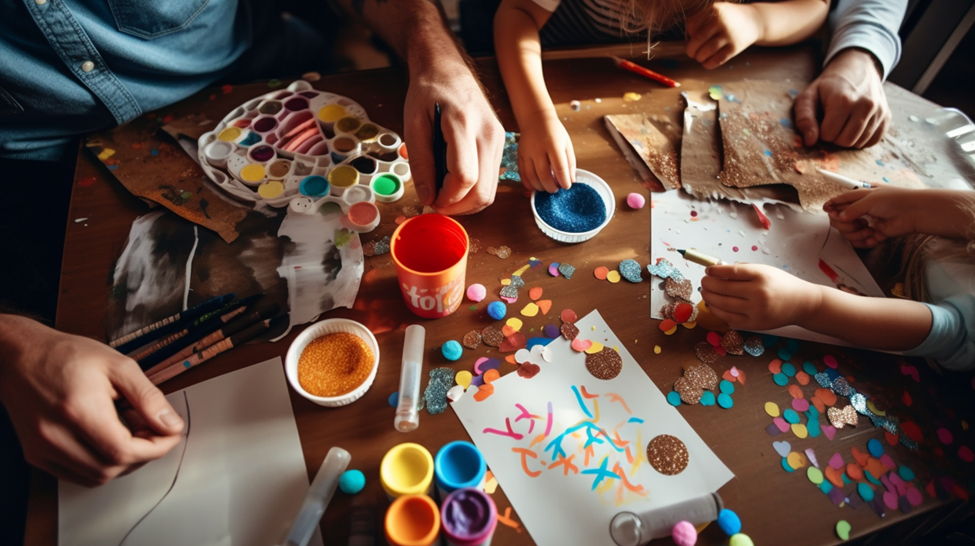
Creativity has always been one of the most powerful ways for people to express what they feel, think, and experience. For adults who may struggle to communicate emotions verbally, creative work becomes more than a hobby. It becomes a lifeline that helps process thoughts, reduce stress, and build confidence. Whether it is painting, dancing, storytelling, or playing an instrument, artistic expression allows individuals to access emotions that are often difficult to describe.
Community art, in particular, has an even deeper impact. When people come together to create, they share space, connect through experience, and discover that their voices matter. This is especially meaningful for individuals with diverse abilities, who may find traditional communication challenging or isolating. Participating in community art offers a sense of belonging, emotional safety, and joy. It also provides meaningful activities for adults with learning disabilities, helping them feel valued, included, and supported.
Community art creates an environment where everyone can express themselves authentically. It is not about perfection. It is about connection, emotional release, and the shared human experience.
How Creative Expression Supports Emotional Well-Being
Creative expression is far more than a fun way to spend time. It plays a direct role in supporting emotional and psychological well-being. Art activities help reduce stress and anxiety by giving people a focused, calming, and enjoyable outlet. Engaging in creative tasks stimulates parts of the brain responsible for relaxation and emotional regulation. Many adults discover that drawing, painting, or crafting helps relieve tension and allows them to slow down and express emotions nonverbally.
Creativity also contributes to emotional intelligence. When individuals create art, they learn to interpret feelings, reflect on experiences, and understand their emotional responses. For example, choosing colors, shapes, or movement can represent inner states that are hard to put into words. This opens a gentle pathway to self-awareness and emotional growth.
Different art forms provide different types of support. Music encourages rhythmic expression and sensory engagement. Drawing and painting offer a visual way to represent emotions. Theater and drama help participants step into different roles, explore empathy, and learn self-expression through storytelling. Storytelling itself encourages individuals to share their experiences, memories, and ideas in a structured but liberating way.
For adults with diverse developmental needs, these creative outlets provide essential emotional benefits. They help improve mood, reduce emotional overload, and create opportunities for meaningful personal development.
Activities That Unlock Creativity and Confidence
A strong community art program includes activities that encourage people to explore, take risks, and express themselves in new ways. Painting workshops are a great example. They provide individuals with space to experiment with color, texture, and technique. Many people find painting soothing, while others discover it helps them communicate feelings they cannot easily discuss. A finished artwork also becomes a tangible achievement that boosts self-esteem.
Drama and performance groups introduce movement, voice work, improvisation, and role play. Participants learn to express emotions in a safe and supportive environment. Drama encourages teamwork, communication, and trust. It invites individuals to step outside their comfort zones while still feeling protected by the group dynamic. Many adults find that performing gives them a deep sense of pride and excitement.
Dance and movement sessions provide another powerful emotional outlet. Movement allows people to express joy, tension, frustration, or excitement without words. Dance also improves coordination, confidence, and body awareness. In addition, group movement sessions help build social bonds through rhythm, shared experience, and collective energy.
These creative activities unlock hidden potential. They empower adults to try new things, discover talents, and express emotions confidently.
The Role of Community Art Programs and Developmental Centers
Community art programs and developmental centers play a vital role in making creative opportunities accessible to everyone. These centers act as hubs where individuals can interact, socialize, and grow emotionally and socially. They create welcoming spaces where adults with diverse abilities can explore artistic interests without fear of judgment.
Developmental centers often offer a variety of structured and unstructured art opportunities, from open studio sessions to guided classes led by experienced instructors. Participants are encouraged to experiment, collaborate, and develop their artistic voices. These programs help individuals discover talents they may not have known they had.
In addition to supporting artistic development, community programs foster friendships. Creating art together helps people feel part of something bigger. Shared projects, group exhibitions, or performances help individuals gain confidence and pride in their accomplishments. The sense of community that develops in these centers is often just as important as the art itself.
OPWDD-Supported Creative Programs and Inclusive Projects
In many regions, OPWDD-supported initiatives make it possible for community organizations and inclusive art studios to offer creative programs for adults with developmental disabilities. These programs may include grants for local art projects, funding for adaptive equipment, or support for inclusive exhibitions and performances.
OPWDD-supported studios and workshops are designed to be accessible and encouraging. They often bring together professional artists, educators, volunteers, and participants to create inclusive environments where every individual can thrive. These initiatives strengthen communities by promoting visibility, empowerment, and artistic opportunity.
Through OPWDD-supported community initiatives, adults gain access to structured creative programs that build skills, confidence, and emotional well-being. These projects reinforce the message that every voice deserves to be heard and every artwork has value.
Conclusion
Engaging in creative activities allows adults with diverse abilities to explore emotions in a way that feels safe and empowering. Art offers a personal space for discovery, experimentation, and self-reflection, where every effort, no matter how small, contributes to growth and confidence. Beyond individual benefits, community art fosters meaningful connections, encouraging collaboration, shared experiences, and mutual support.
Through painting, music, theater, or dance, participants not only develop skills and self-expression, but also find a sense of purpose and belonging. Programs supported by organizations and inclusive studios help ensure these opportunities are accessible to all, emphasizing that creativity is not a privilege but a pathway to well-being.
In the end, community art matters because it transforms the way people relate to themselves and to others. It is a living reminder that every voice can be heard, every perspective is valuable, and the act of creation can inspire connection, confidence, and joy in ways words alone cannot capture.
Mircari Quotes And Sayings
 Why Settle for Boring? Building Features That Make Life More Fun
 AOMEI Partition Assistant Review: Simplify Disk Management for Windows 11
 The Timeless Appeal of Automatic Watches: Why They Still Matter Today
 Weekend Gaming with Friends? Here’s the Setup You Need
 KMSpico Download: How It works, How to download and Why you should be careful
 Common Car Wreck Injuries
 How A San Antonio Injury Lawyer Can Help You After An Accident
 Blue Wall Paint Trends and Tips: Choosing the Perfect Wall Paint