Chasing Sunrises, Not Stress: The Unexpected Joys of Trading Global Forex Sessions
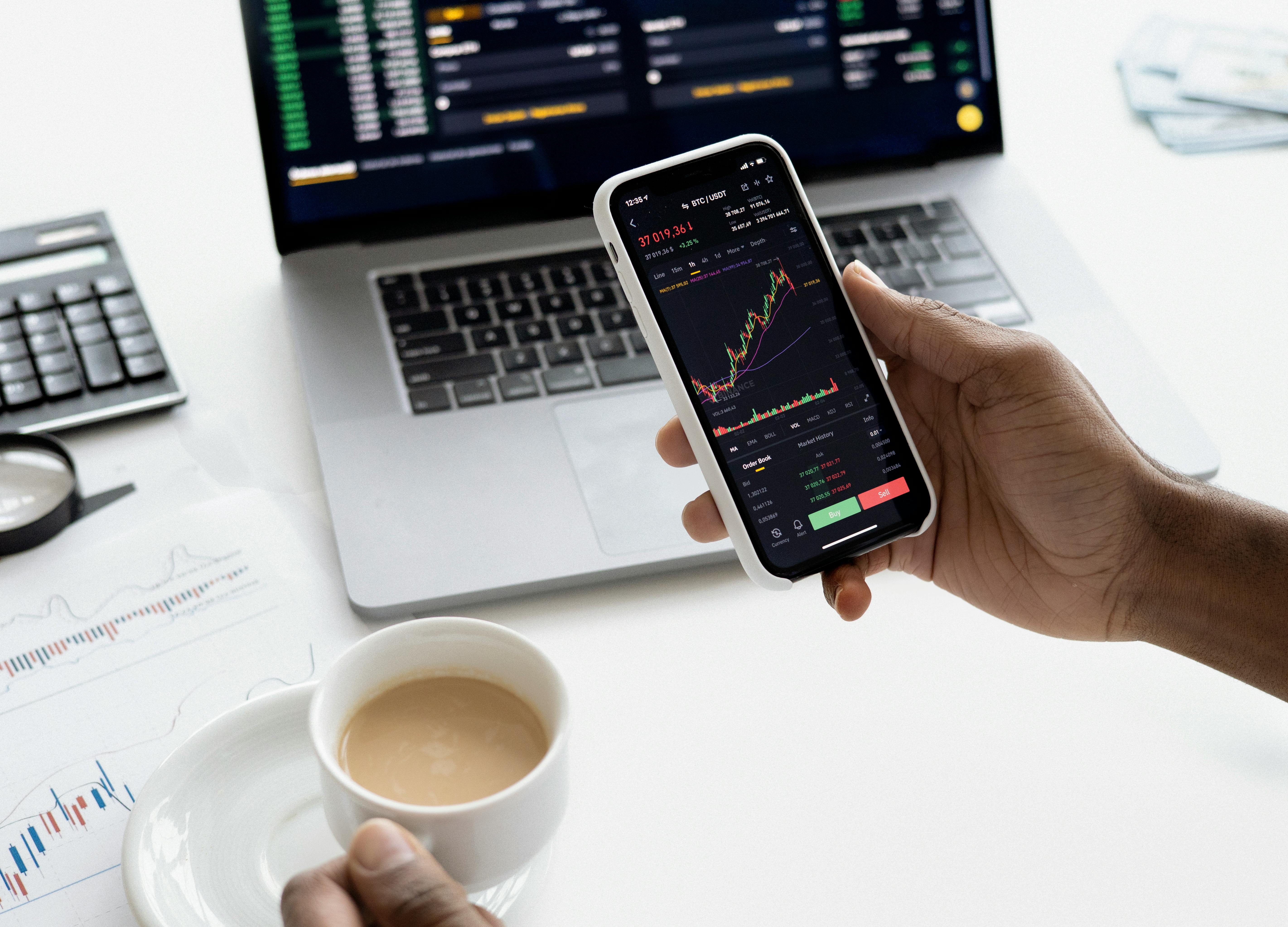
“There is a time to go long, a time to go short and a time to go fishing.” – Jesse Livermore. The typical nine-to-five can feel like a mental treadmill. But for those who trade the global forex markets, time works differently. Some traders wake with Tokyo. Others sleep after New York. Their calendars don’t center around Mondays or Fridays. They revolve around liquidity, volatility windows, and the rhythm of global finance. Yet the deeper appeal isn’t just about profit margins. It’s about taking control of your hours. And surprisingly, that can lead to a more grounded life.
This is the overlooked lifestyle edge of forex trading—when done right. The same charts that reflect yen-dollar movement at 2 a.m. can become part of a quiet daily routine where the world still sleeps. This is the world of disciplined traders who build schedules around specific sessions and discover a kind of peace in doing so.
Quality Tools Define the Routine
There’s no point in building a lifestyle around a trading schedule if the platform you use fails when you need it most. For serious traders, platform reliability and trade execution speed aren’t perks. They are non-negotiable. Without them, the Tokyo open or London spike becomes noise rather than opportunity.
That’s where using a high-quality platform comes into play. Around the world, professionals rely on options like HFM to maintain rhythm in their workflow. Whether you’re placing a trade at dawn in Nairobi or late evening in Jakarta, HFM delivers consistent infrastructure. Tight spreads, sharp charting tools, and uninterrupted access allow traders to focus on the market, not the tech behind it.
A reliable platform doesn’t just help with execution. It creates predictability. It becomes part of your sleep schedule, your work-life balance, and your financial routine. Trading becomes less about chasing moments and more about preparing for them.
Building a Rhythm with Sessions
Seasoned traders understand that forex isn’t about nonstop action. It’s about recognizing which hours matter. London and New York overlap can offer high movement, but that doesn’t mean every moment during those hours is worth participating in. Those who trade the Sydney or Tokyo session often develop a sharper sense of patience. They learn to wait.
The best traders often set alarms not to chase action but to observe patterns. This might mean waking before others and catching the EUR/JPY reaction to new data out of Frankfurt. It could mean trading only the first hour of the London open and spending the rest of the day in research or recovery.
This type of schedule isn’t random. It’s mapped with intention. Two traders can operate in the same region and still build entirely different day structures based on the pairs they trade and the markets they trust. Some focus on news impact windows. Others stick to breakout setups tied to session opens.
What unites them is clarity. They don’t trade all day. They know when their edge appears—and more importantly, when it doesn’t.
The Hidden Benefits of Session-Based Structure
Following global forex sessions forces a trader to live with precision. It’s not always glamorous. Some days begin before sunrise. Others include waiting hours that demand stillness. But this structure often becomes a framework that supports better habits.
- Traders who align with specific sessions often sleep better. They build around the market, not in resistance to it.
- Meals, exercise, and study time often fall into cleaner blocks once trading hours are clearly defined.
This shift can reshape how people approach their week. Instead of living around chaos, they build around known volatility. The anxiety of “missing moves” fades because each trader knows when they’re supposed to be present. They plan exits in advance. They let go when the window closes.
Discipline sharpens not just the chart-reading eye but the daily routine.
Trading in Peace, Not Panic
Retail traders often burn out not because of losses, but from the lack of rhythm. Jumping into random sessions, reacting to every alert, or constantly changing timeframes leads to stress that no strategy can fix. Long-term success rarely comes from 24-hour screen time.
The traders who last tend to create lifestyle templates. They work from specific zones. Some take trades in the early Sydney session, then step away. Others focus only on New York and avoid morning noise. In both cases, what matters is intention.
Trading this way becomes less reactive and more reflective. The goal shifts from catching everything to catching what matters. Over time, this consistency feeds confidence. Even missed trades lose their sting because the process holds steady.
Global sessions move in cycles. But the trader who builds a life around those cycles often finds more stability than expected.
Finding Joy in the Clock
There’s something powerful about owning your hours. Global forex markets make that possible in a way few industries can. Whether someone chooses to align with Tokyo’s quiet buildup or New York’s sharp breakouts, the potential to design a life that fits the clock is real.
This design isn’t about freedom from work. It’s about choosing when the work happens. That shift rewires how many traders view effort and reward. They chase setups, not the market. They build boundaries instead of pushing for constant access.
Some of the most consistent traders start their day before the world stirs. They place one or two precise trades and step away. They read more. They rest better. And they no longer see time zones as barriers. Instead, they see them as allies.
Trading global forex sessions can start as a strategy. But for many, it becomes a way to live. Not in fear of missing out. But in quiet pursuit of progress. The sunrise becomes less about signals and more about showing up when it counts. That’s when the real edge starts to appear.
Mircari Quotes And Sayings
 Why Settle for Boring? Building Features That Make Life More Fun
 AOMEI Partition Assistant Review: Simplify Disk Management for Windows 11
 The Timeless Appeal of Automatic Watches: Why They Still Matter Today
 Weekend Gaming with Friends? Here’s the Setup You Need
 KMSpico Download: How It works, How to download and Why you should be careful
 Common Car Wreck Injuries
 How A San Antonio Injury Lawyer Can Help You After An Accident
 Blue Wall Paint Trends and Tips: Choosing the Perfect Wall Paint