How Miniaturized Assays Improve Research Efficiency
Think about the classic lab experiment. It often involves big tubes and generous volumes. Scientists mix milliliters of this with milliliters of that. This approach has worked for decades. But it comes with a price tag. Reagents are expensive. Samples are often precious. Space on the bench fills up fast.
A new philosophy is taking hold. It asks a simple question: why use so much? The answer is to shrink everything down. Smaller is becoming smarter in laboratories everywhere.
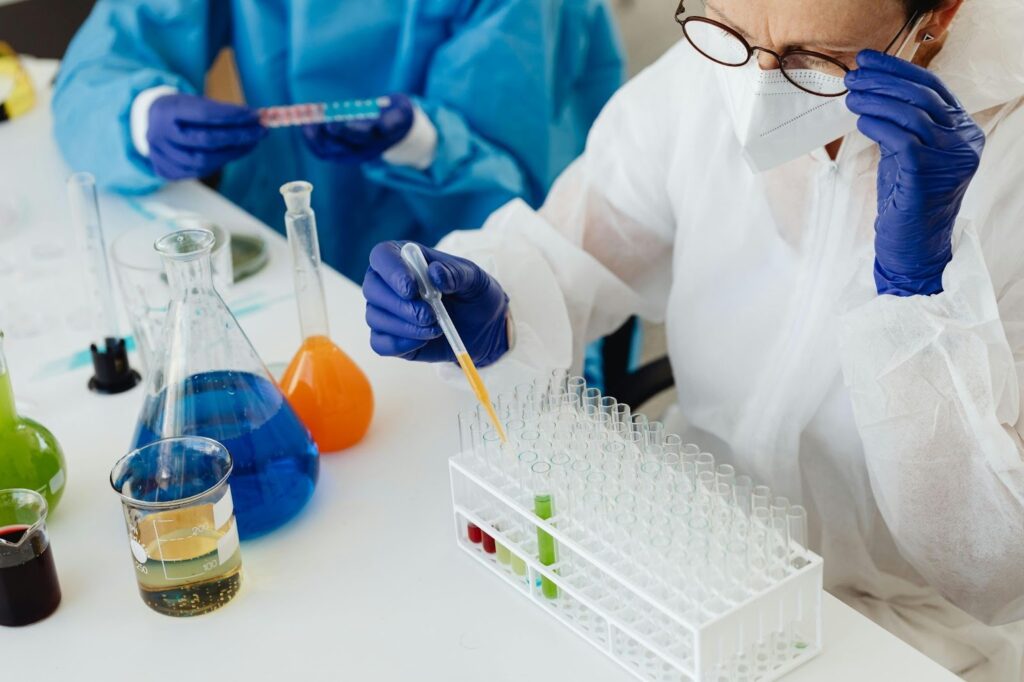
The Power of Thinking Small
The shift toward tiny volumes changes the entire game. Consider the standard 96-well plate. It was once the gold standard. Now labs use 384-well plates. Some even use 1536-well plates. The wells are the size of pinheads.
This is where assay miniaturization truly shines. You can pack more tests onto a single plate. You can screen more compounds in a single run. Throughput skyrockets without adding lab space. The same footprint delivers the data. That is efficiency at its finest.
Stretching Every Drop of Sample
Precious samples arrive in limited quantities. A patient’s biopsy is tiny. A rare natural compound is hard to isolate. Researchers cannot waste these treasures. Miniaturized formats treat every drop like gold. A standard ELISA might consume a hundred microliters. A miniaturized version uses ten.
That one precious sample now lasts for ten experiments instead of one. This extension is revolutionary. It enables studies that were simply impossible before. It lets scientists ask more questions from the same limited material.
Pinching Pennies on Reagents
Lab budgets feel constant pressure. Reagent costs climb every year. Antibodies cost a fortune. Enzymes are pricey. Cell culture media adds up fast. Miniaturization offers a direct solution. Smaller volumes mean less reagent consumption. A screen that once cost ten thousand dollars might now cost one thousand. The savings multiply across hundreds of experiments.
Labs can stretch their grant dollars further. They can take on more projects. They can explore riskier ideas without breaking the bank. Financial efficiency fuels scientific courage.
Speeding Up the Discovery Engine
Time matters in research. Competitors race toward the same goal. Patients wait for treatments. Miniaturized assays accelerate the entire process. A robot can fill a 1536-well plate in minutes. It processes thousands of data points per hour. This speed transforms screening campaigns.
What took months now takes weeks. What required a whole team now needs just one person. The discovery engine runs faster. Promising hits appear sooner. The path from idea to insight shortens dramatically.
Greener Science, Smaller Footprint
Plastic waste haunts every laboratory. Mountains of tips, tubes, and plates fill landfills. Miniaturization helps solve this crisis. Smaller plates use less plastic. Fewer reagents mean less chemical waste. Reduced volumes require less energy for storage. Fridges and freezers run more efficiently.
The environmental impact shrinks alongside the assay volumes. Labs become greener without extra effort. Sustainability becomes a natural byproduct of smarter design.
Unlocking New Automation Potential
Tiny wells demand precise handling. Human hands struggle at this scale. This challenge pushes automation forward. Liquid handlers evolve to meet the need. They gain better precision. They acquire smarter software. They learn to work with assay miniaturization techniques seamlessly.
This synergy between small volumes and smart machines creates a powerful feedback loop. Better automation enables even smaller assays. Smaller assays demand even better automation. The whole field advances together.
Maintaining Quality at Scale
Skeptics worry about shrinking assays. They fear losing signal. They worry about evaporation. Modern technology answers these concerns. Advanced plate coatings prevent binding loss. Humidified chambers stop evaporation. Sensitive detectors pick up faint signals. The data quality actually improves.
Consistency across thousands of tiny wells beats variability across a few big ones. Statistical power increases. Results become more robust. Miniaturization does not compromise quality. It enhances reliability through repetition and control.
The Future Is Tiny
The direction is clear. Experiments will keep getting smaller. The benefits stack up too high to ignore. Saving samples, money, and time creates irresistible momentum. Green credentials add another compelling reason. Automation grows more capable every year. Scientists embrace the shift. They enjoy faster results and cleaner data.
The era of wasteful, bulky experiments is ending. A new age of precision and efficiency has arrived. It fits neatly on a plate the size of your hand. Big discoveries now come in tiny packages.
Mircari Quotes And Sayings
 KMSpico Download: How It works, How to download and Why you should be careful
 Weekend Gaming with Friends? Here’s the Setup You Need
 The Timeless Appeal of Automatic Watches: Why They Still Matter Today
 AOMEI Partition Assistant Review: Simplify Disk Management for Windows 11
 Why Settle for Boring? Building Features That Make Life More Fun
 Best Indoor Seeds: High-Yield Indoor Strains for Every Grower
 Modern Loneliness and the Rise of Paid Companionship Services
 The Comfort Routine People Are Turning To This Year