Bitcoin ATMs vs. Online Exchange: Which One Fits Your Crypto Goals Better?
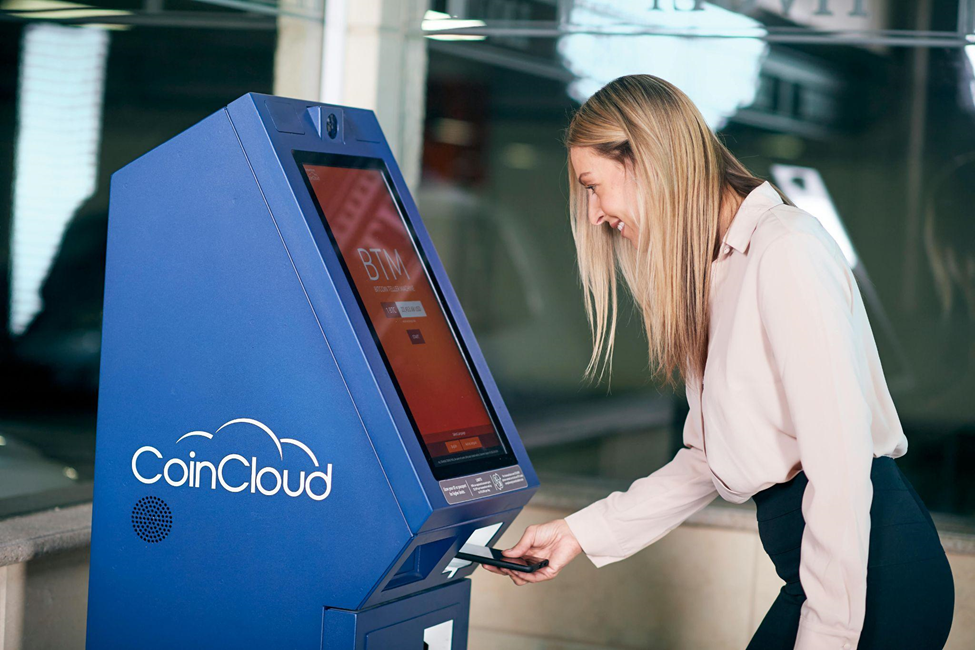
For many crypto investors, choosing how to buy Bitcoin is one of the first and most important things. There are two main options available today: Bitcoin ATMs and online exchanges. While Bitcoin ATMs offer fast, cash-based transactions with high levels of privacy, online exchanges offer low fees, advanced tools, and access to hundreds of currencies. But, before you make the right choice, it’s important to understand how each option works. In this article, we’ll provide some helpful tips to help you make the best decision.
Understanding Bitcoin ATMs
So, what are Bitcoin ATMs?
They are physical machines that let users buy and sometimes sell cryptocurrencies, using cash or debit cards. Physically, they resemble traditional ATMs, but instead of connecting to a bank, they link directly to a cryptocurrency exchange online.
The process is simple: you find a nearby machine, scan your digital wallet’s QR code, insert cash, and receive Bitcoin directly to your wallet. The transaction usually takes less than five minutes, and it’s the fastest and most beginner-friendly way to purchase cryptocurrency.
By 2025, there were around 38,700 Bitcoin ATMs globally, with about 31,000 in the United States. Most of them are found in the mainstream areas: convenience stores, gas stations, and shopping malls.
While ATMs provide an easy way to access the world of cryptocurrency, it is important to understand the wider market, especially as a beginner.
According to 99Bitcoins KR, many cryptocurrencies are still trading below their previous all-time highs, leading some investors to explore lesser-known coins with growth potential. The site also provides beginner-friendly tips on popular digital currencies, helping new users build confidence in the crypto landscape – whether through exchanges, wallets, or ATMs.
How Online Cryptocurrency Exchanges Work?
Online Exchanges are digital platforms that enable users to buy, sell, and trade cryptocurrencies online. You need to create an account, then verify your identity, and link your payment method, like a bank account or credit card.
Online crypto exchanges come in two main types. The first type is Centralized exchanges (CEXs), such as Coinbase or Binance, and they act as intermediaries by managing transactions, holding user funds, and providing customer support. They are also beginner-friendly and convenient.
On the other hand, decentralized exchanges (DEXs) like Uniswap enable peer-to-peer trading without intermediaries. This way, users have full control over their funds, but it is made for experienced traders.
For most users, centralized exchanges are more appealing. They provide a simpler experience, higher liquidity, and useful features like limit orders, portfolio tracking, and market analysis tools.
ATMs vs. Online Exchanges
You probably wonder what the biggest difference is between these two. The primary difference is the fee.
Although Bitcoin ATMs are very convenient, they are expensive for most users, usually charging 10-25% in total costs. That includes transaction fees, exchange rate markups, and some hidden spreads. For instance, if you buy $500 worth of Bitcoin, you will probably pay $50-$125 in fees.
In contrast, online exchanges charge much lower fees. It is usually 0.1-1% per trade, and 3-4% for specific payment options like credit cards. These cost savings add up quickly, especially for users who trade frequently in larger amounts.
The big difference in fees lies in operational costs. For instance, ATMs require physical machines, maintenance, and cash handling. On the other hand, online exchanges operate digitally, with minimal expenses.
Which Option Is Faster And More Convenient?
The answer to this question is up to your preferences.
If speed is your top priority, Bitcoin ATMs are the better choice. They provide instant access to cryptocurrencies and are available in everyday locations. You don’t need a bank account; simply walk up, insert cash, and receive Bitcoin in minutes. No waiting for account approval or linking payment methods.
On the other hand, if you plan to buy or trade regularly, online exchanges are more convenient in the long run. When your account is set up, transactions can be completed anytime from anywhere, as long as you have an internet connection.
With online exchanges, you have 24/7 access from any device, advanced trading tools, support for multiple payment options, and portfolio management and analytics. The verification process may take a few days, but when completed, exchanges are smoother and faster.
Which Option Is Safer?
As these transactions are done online, security is the most important factor for both options. Bitcoin ATMs have certain physical and scam-related risks. Sometimes, machines can be targets for thieves, and scammers can instruct victims to send money through Bitcoin ATMs under pretenses. Therefore, it is important to use ATMs from verified operators in public areas that are well-lit.
In the U.S., Bitcoin ATM operators must register with FinCEN and follow anti-money-laundering (AML) and know-your-customer (KYC) laws. Smaller purchases may require minimal ID, but larger ones demand full verification.
Online exchanges, on the other hand, face cybersecurity risks. They hold large amounts of user funds and are targets of hackers. Although many exchanges now use advanced security protocols such as cold storage and insurance, breaches can still happen. Therefore, users should never store large sums on an exchange for long periods.
For beginners, quick purchases, and cash users, it’s better to use a Bitcoin ATM, as it collects less personal information. For large-volume buyers, active traders, and investors, it’s better to use an online exchange. They support hundreds of currencies, detailed tracking, analytics, and tax reporting.
Summing Up
Bitcoin ATMs and online exchanges have many pros and cons. For fast, cash-based, and relatively private transactions, it’s good to choose ATMs. Online exchanges, however, offer lower costs, more features, and broader access to currencies, and this makes them a better option for investors and traders.
Finally, the right choice depends on your priorities. Think about it: do you need speed and privacy, or cost and convenience?
Mircari Quotes And Sayings
 List of Top Crypto Casino Sites 2023
 Crypto Newsletter Metrics: What to Track and How to Improve Engagement
 Interview with a Crypto Newsletter Expert: Insights and Advice for Content Creators
 Cryptocurrency in Today’s Generation: A Double-Edged Sword
 What Influences Cryptocurrency Prices in the Current Economy?
 From Ancient Origins to Digital Revolution
 How to Exchange BTC to XMR: A Step-by-Step Guide
 Why are crypto communities important?